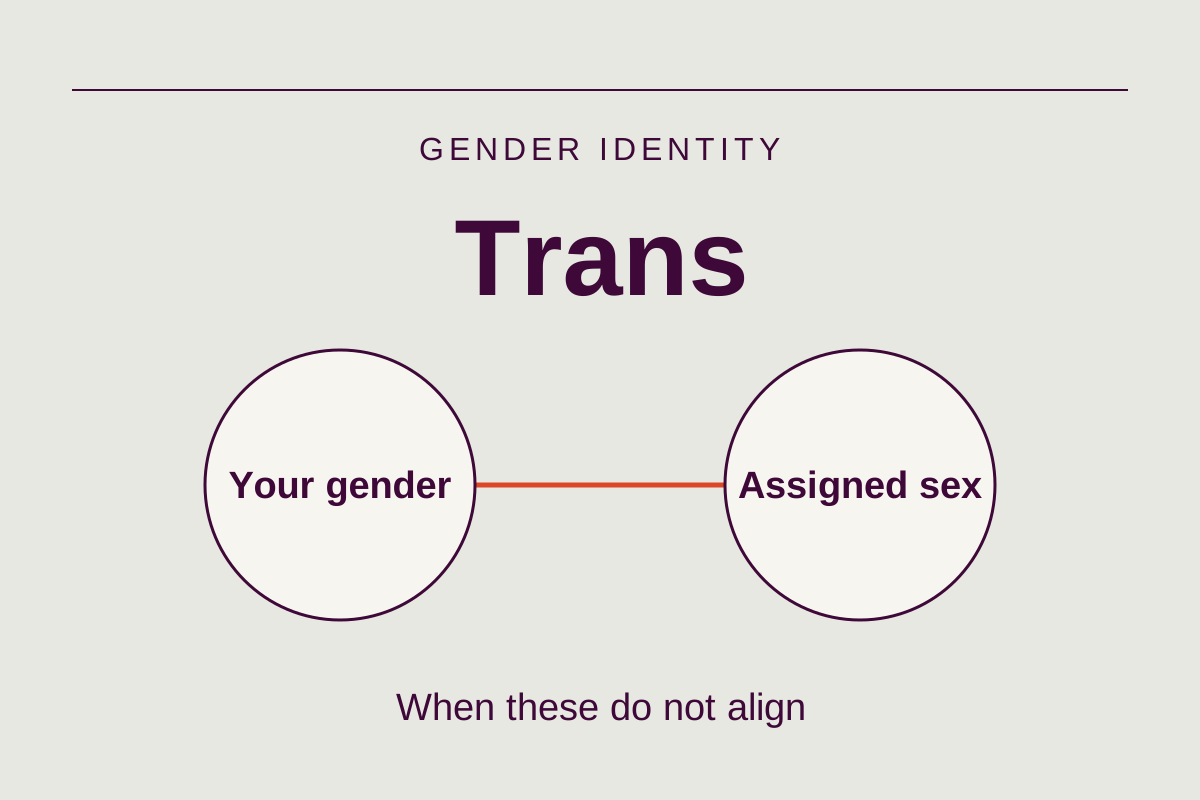
Trans is short for transgender. It describes a person whose gender identity differs from the sex they were assigned at birth. Behind that short definition is an individual with a full life: relationships, responsibilities, hopes, beliefs, and a need to be treated with dignity. This guide explains the language without expecting you to know it already. Whether you are learning about yourself, listening to someone you love, or trying to have a more thoughtful conversation, you can start with curiosity and take one idea at a time.
What does transgender mean?
Gender identity is a person’s internal understanding of their gender. A transgender man is a man who was assigned a different sex at birth, usually female. A transgender woman is a woman who was assigned a different sex at birth, usually male. Cisgender describes someone whose gender corresponds with the sex assigned at birth. These basic distinctions are outlined in the American Psychological Association’s guide to identity terms.
In everyday conversation, trans is an adjective. You might say “a trans woman” or “my transgender friend,” just as you might mention another relevant part of someone’s life. It is not necessary to mention that someone is trans every time you talk about them. Often, their name, their role, or the relationship you share is all that matters.
A definition can give you a starting point, but it cannot tell you a person’s whole story. Two trans people may have very different relationships with their families, bodies, religious communities, and identities. Allow the person in front of you to explain what matters to them, rather than treating one story as a template for everyone.
Gender identity and sexual orientation answer different questions
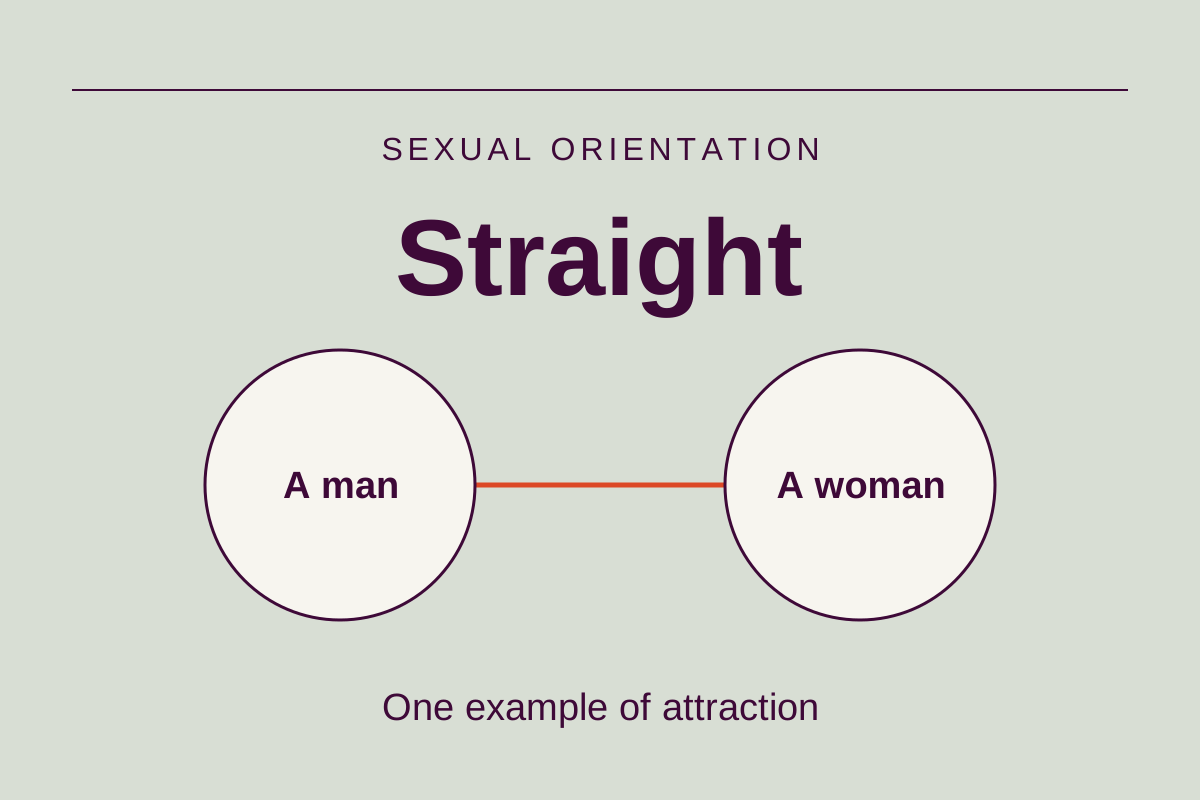
Gender identity concerns who someone is. Sexual orientation concerns patterns of romantic or sexual attraction. Being trans does not tell you whether a person is straight, gay, lesbian, bisexual, asexual, or uses another description. The American Psychological Association distinguishes identity from attraction.
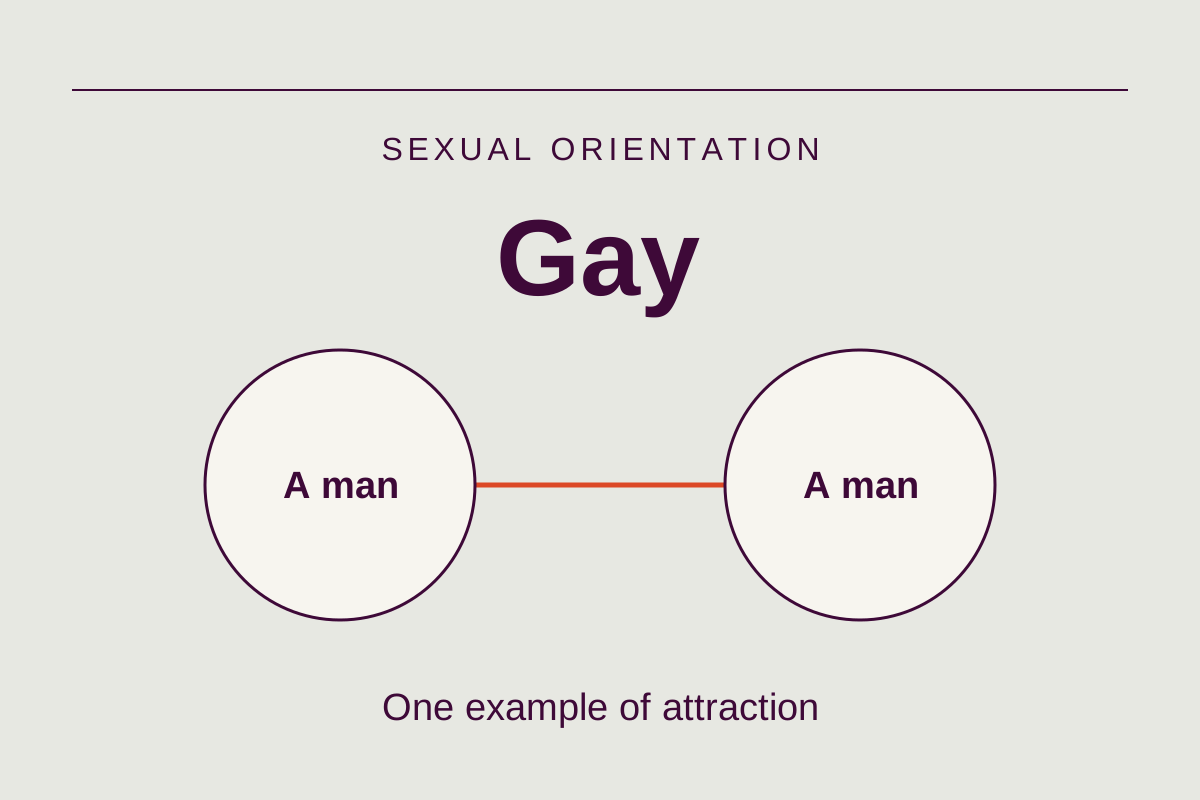
For example, a trans man attracted to men might call himself gay. A trans woman attracted to women might call herself a lesbian. Another trans person might use straight, bisexual, or no orientation label. These are examples, not instructions for what anyone must call themselves.
When someone shares that they are trans, avoid immediately asking about their dating life. They may want you to understand their name, their experience at work, or how to introduce them to relatives. Let the conversation follow what they have actually chosen to share.
Expression, drag, and intersex are different ideas
Gender expression refers to outward presentation, such as clothing, hairstyle, or voice. A person can have an expression others consider masculine, feminine, or mixed without being trans. A woman who prefers traditionally masculine clothes does not become a man because of her wardrobe. Appearance alone does not reliably tell you a person’s gender identity.
Drag is a form of performance involving gender presentation. A drag performer may be cisgender, transgender, or nonbinary. Performing a character does not by itself tell you the performer’s gender. The GLAAD transgender terminology guide explains distinctions among identity, expression, and performance.
Intersex concerns variations in sex characteristics, such as chromosomes, reproductive anatomy, or hormones. It is different from transgender identity, although someone can be both intersex and trans. interACT’s intersex FAQ explains this distinction. No one owes acquaintances a description of their anatomy to establish who they are.
How does nonbinary fit?
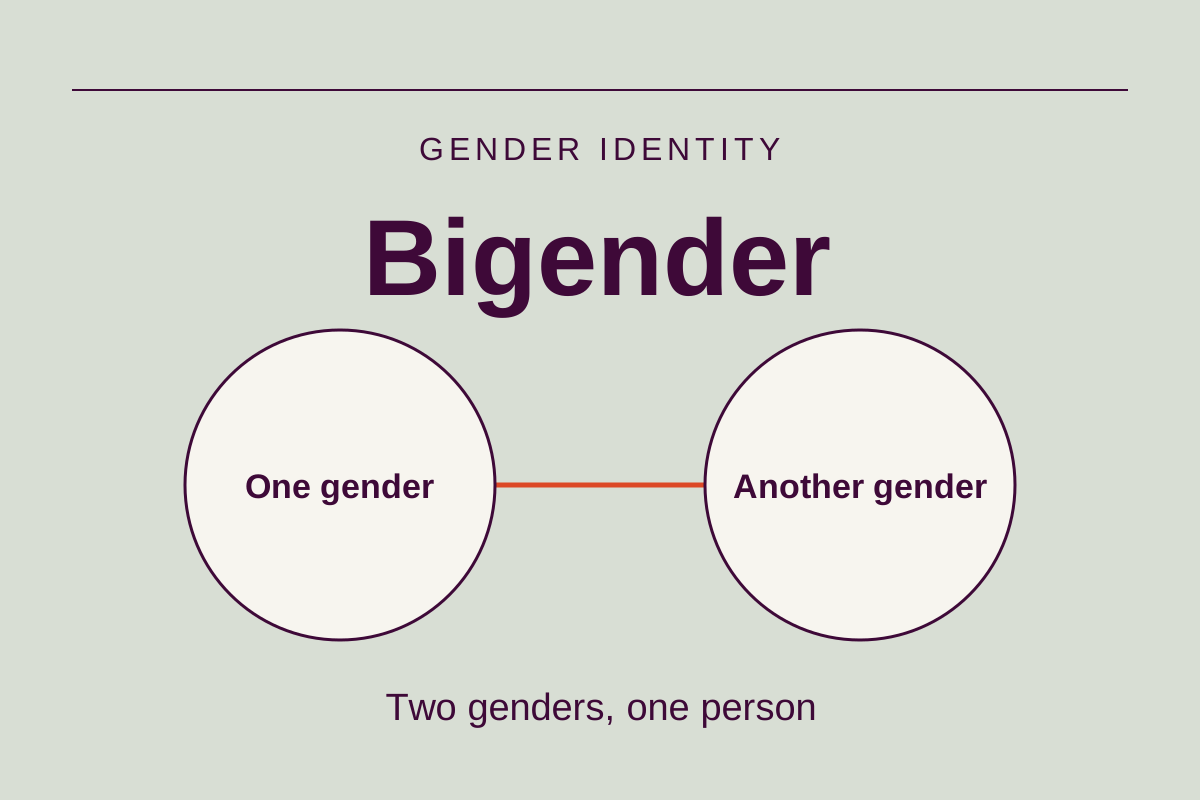
Nonbinary describes gender identities that are not exclusively man or woman. Some nonbinary people also identify as trans, while others do not. The World Professional Association for Transgender Health’s Standards of Care explicitly recognizes that not all nonbinary people use the transgender label.
That means you should not automatically replace one word with another. If your friend says “I am nonbinary,” you can use that description without deciding that another label fits better. Someone may also use more than one word because each describes a different aspect of their experience.
The goal is understanding, not collecting the greatest number of terms. You do not need to become an expert before you can listen kindly. A useful response is: “Thank you for telling me. What would you like me to understand about what that means for you?”
Understanding yourself does not require a deadline
If you are wondering whether trans describes you, you do not have to settle the question during one conversation or after reading one article. You can notice your experiences without treating every feeling as a final answer. Wanting more information is a reasonable place to begin.
Consider writing privately about situations in which you feel comfortable, situations in which you feel misread, and the words you wish other people understood. Keep observations specific. “I felt more at ease when my friend used that name” gives you something to reflect on without demanding an immediate conclusion.
You may find that a label fits, that a different description makes more sense, or that you prefer to keep exploring without one. Reflection should leave room for honest answers. Neither other people’s excitement nor their fear should become a deadline for your decisions.
- What am I trying to understand about my gender, rather than about other people’s expectations?
- Which conversations leave me feeling listened to and able to think clearly?
- What support would help me explore questions without pressure?
- What would I like to keep private while I work through this?
Transition is individual, not a checklist
Transition can include social changes, such as a name or pronouns; changes to documents; or medical care. People’s choices, circumstances, and goals differ. No particular operation, medication, clothing style, or public announcement is required to make someone trans. The GLAAD guide describes this variation.
You do not need to ask someone what they have “had done.” That question turns a personal disclosure into a demand for private health information. If there is a genuine reason to discuss practical support, ask about the support: “Would you like company?” or “Is there something you want me to help organize?”
This article does not prescribe medical care or document changes. Questions about a particular health treatment belong in an individualized conversation with a qualified healthcare professional. Questions about documents need current guidance relevant to the person’s circumstances. Respecting someone today does not require knowing their future plans.
Being trans and experiencing gender dysphoria are not the same thing
Being transgender is not itself a psychiatric diagnosis. Gender dysphoria is a clinical term for significant distress or impairment associated with incongruence between gender and sex assigned at birth. Not every trans person experiences it. The American Psychiatric Association explains the distinction.
A person seeking counseling may want to discuss gender-related distress. They may instead want help with an argument, grief, burnout, loneliness, or a difficult decision. Begin by asking what is troubling them rather than assuming that gender explains everything.
Likewise, someone does not need to perform suffering for other people to take their identity seriously. You can respond to a specific concern with care without asking them to demonstrate enough distress to deserve respect. The conversation is more useful when it focuses on what would help now.
Names and pronouns: small actions, clear respect
Use the name and pronouns a person asks you to use. If you are unsure, ask privately and simply: “What name and pronouns would you like me to use?” Do not assume that everyone who uses they/them is nonbinary or that everyone who is nonbinary uses they/them.
If you make a mistake, correct it briefly and continue. For example: “She will be here at six, sorry, they will be here at six.” A long apology can leave the other person responsible for reassuring you. Practice unfamiliar wording on your own so the next conversation feels more natural.
Before introducing someone to a different group, check what language is appropriate in that setting. Someone may use one name with trusted friends and another around people they have not told. Clarifying this privately avoids making an introduction into an unwanted disclosure.
Privacy belongs to the person sharing their story
Outing means revealing someone’s gender identity or sexual orientation without permission. A person telling you privately is not the same as giving you permission to tell a family group chat, employer, congregation, or social media audience. The GLAAD glossary defines outing.
Ask concrete questions about boundaries: “Who else knows?” and “Is it okay for me to mention this when we are with them?” If you are uncertain, wait rather than guess. Be careful with photographs, public comments, shared calendars, and messages that other people might see.
If you are considering sharing your own identity, you can think about support and practical safety first. You are allowed to choose whom to tell, when to tell them, and how much to explain. A public announcement is not a measure of honesty or courage. Your circumstances matter.
How family and friends can respond thoughtfully
A helpful first response can be short: “I love you. Thank you for trusting me. What would feel supportive right now?” You do not need to resolve every question immediately. Listening gives you a clearer understanding of what the person is actually asking for.
If you feel surprised or have your own questions, find an appropriate place to process those feelings without making your loved one defend their existence at every interaction. You can seek confidential support for yourself while avoiding unnecessary disclosure of their private information. Ask permission before inviting someone else, including a pastor or counselor, into a conversation with your loved one.
Keep ordinary connection alive. Invite them to dinner. Ask about their work. Remember the interest you have always shared. A relationship can become exhausting when every conversation turns into a formal discussion about gender. Consistent, everyday care often communicates more clearly than a perfect speech.
- Ask one sincere question at a time and give the person room to answer.
- Avoid jokes, tests, surprise debates, and questions about private anatomy.
- If a conversation becomes heated, agree to pause and return with a clearer purpose.
- Keep the person involved in decisions about how their information is shared.
Faith, Christianity, and making room for an honest conversation
Trans people can be Christian, belong to another faith, be unsure about religion, or have no religious affiliation. Christians also hold different interpretations and come from different church traditions. No short article can settle every theological question or speak for every believer.
If your faith matters to you, you can name that clearly in counseling. You might want space to talk about prayer, scripture, belonging, fear of rejection, or past experiences with a religious community. You might also prefer to leave religious discussion outside the session. Your wishes should be part of the conversation.
A loved one can say, “My faith matters to me, and so does our relationship. I want to understand what you are experiencing.” That opening creates room to listen without pretending that every belief has already been reconciled. Avoid using a moment of vulnerability as an invitation to force a theological argument.
At Made Free For Life, Christian principles are available upon request. For a related discussion, read Christianity, LGBTQIA+, and Faith: How It Works, or visit the NB TIES page. You can bring questions without arriving with a prepared explanation of your entire life.
Choosing counseling that leaves room for you
A first conversation with a counselor is an opportunity to ask about fit. Explain what you want support with in your own words. You might be exploring identity, working through family tension, or seeking help with an unrelated concern. You can also ask how the counselor responds when faith and identity both matter to a client.
Useful questions include: “How do you make space for uncertainty?” “What experience do you have with concerns like mine?” and “Can we discuss your approach to confidentiality before I share more?” Counseling should make room for thoughtful exploration without a predetermined demand that you adopt, abandon, or prove an identity.
Made Free For Life offers online telehealth services in WA and FL. Read about the counseling approach and areas of support, then get in touch to discuss fit. Seeking emotional support does not commit you to a medical treatment, a public disclosure, or a particular label.
Frequently asked questions
Does being trans tell me who someone is attracted to?
No. Gender identity and sexual orientation describe different things. Someone can be trans and straight, gay, lesbian, bisexual, asexual, or use another description. If someone tells you their gender, they have not automatically invited questions about dating or sex. Follow the part of their experience they chose to share.
Are all nonbinary people transgender?
No. Some nonbinary people identify as transgender and some do not. Use the words a person uses for themselves rather than assigning additional labels. If you need clarification to understand a conversation, ask politely and leave room for the person to decline a detailed explanation.
Does a person have to transition medically to be trans?
No. Medical treatment is not a requirement for transgender identity. People have different needs, preferences, and circumstances. A person may make social changes, pursue some forms of healthcare, or take no transition steps. Their private treatment history is not something they owe friends or acquaintances.
What should I do if I use the wrong pronoun?
Correct yourself briefly, then continue the conversation. Avoid making a lengthy apology that asks the person to comfort you. If you notice repeated mistakes, practice using their name and pronouns privately. Also check what language they want you to use around people who may not know their identity.
Can someone be transgender and Christian?
Yes. Some trans people identify as Christian and consider faith central to their lives. Churches and individuals differ in their beliefs and interpretations. A respectful counseling conversation can make room for faith, identity, questions, and personal boundaries. At Made Free For Life, Christian principles are available upon request.
Can I seek counseling while I am still unsure about my identity?
Yes. You can begin by saying that you have questions and want room to think. Ask a prospective counselor how they support exploration, respect personal goals, and handle confidentiality. You do not need a finished account of your identity before asking for emotional support, and a conversation should not pressure you toward a predetermined label.