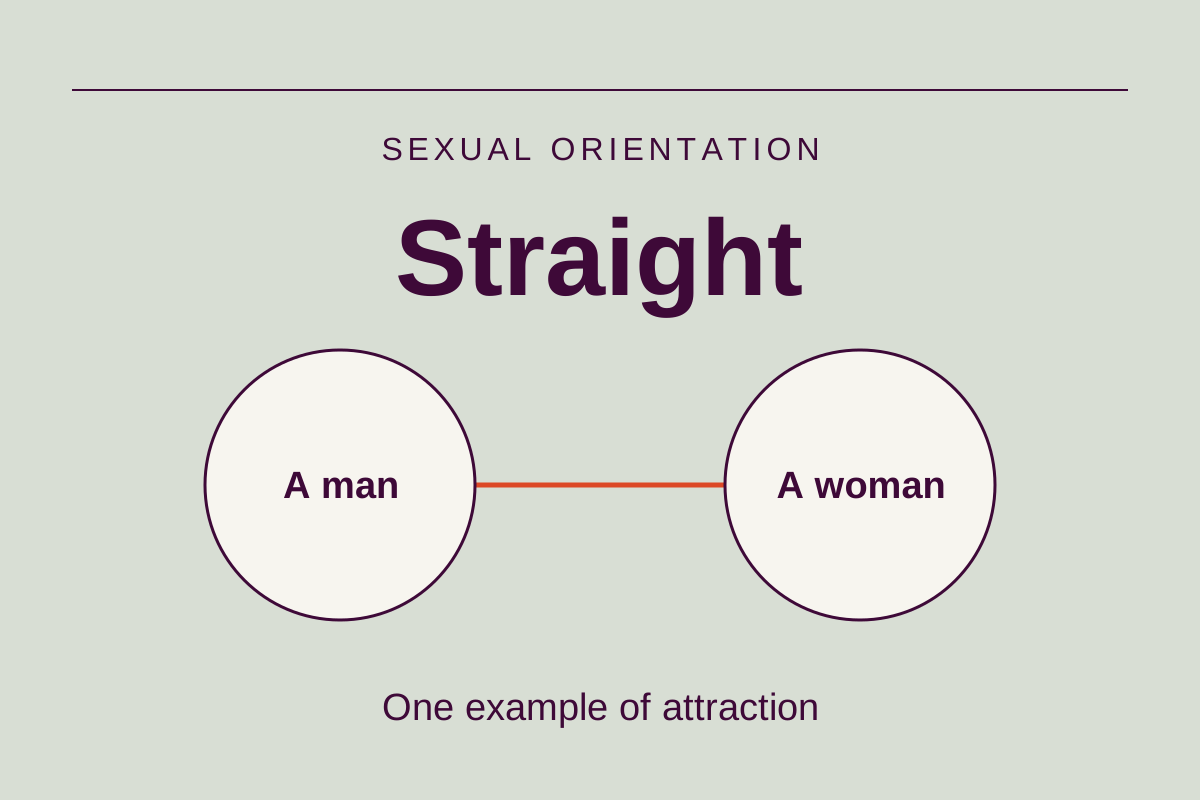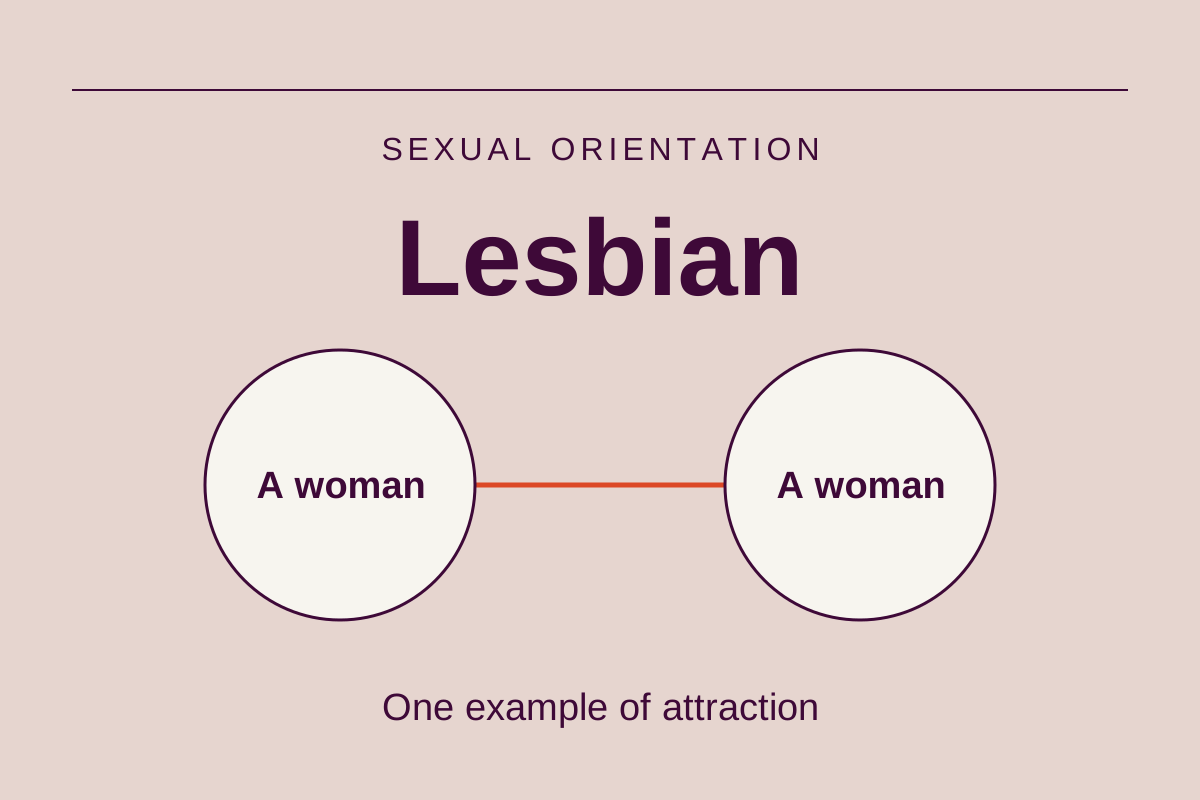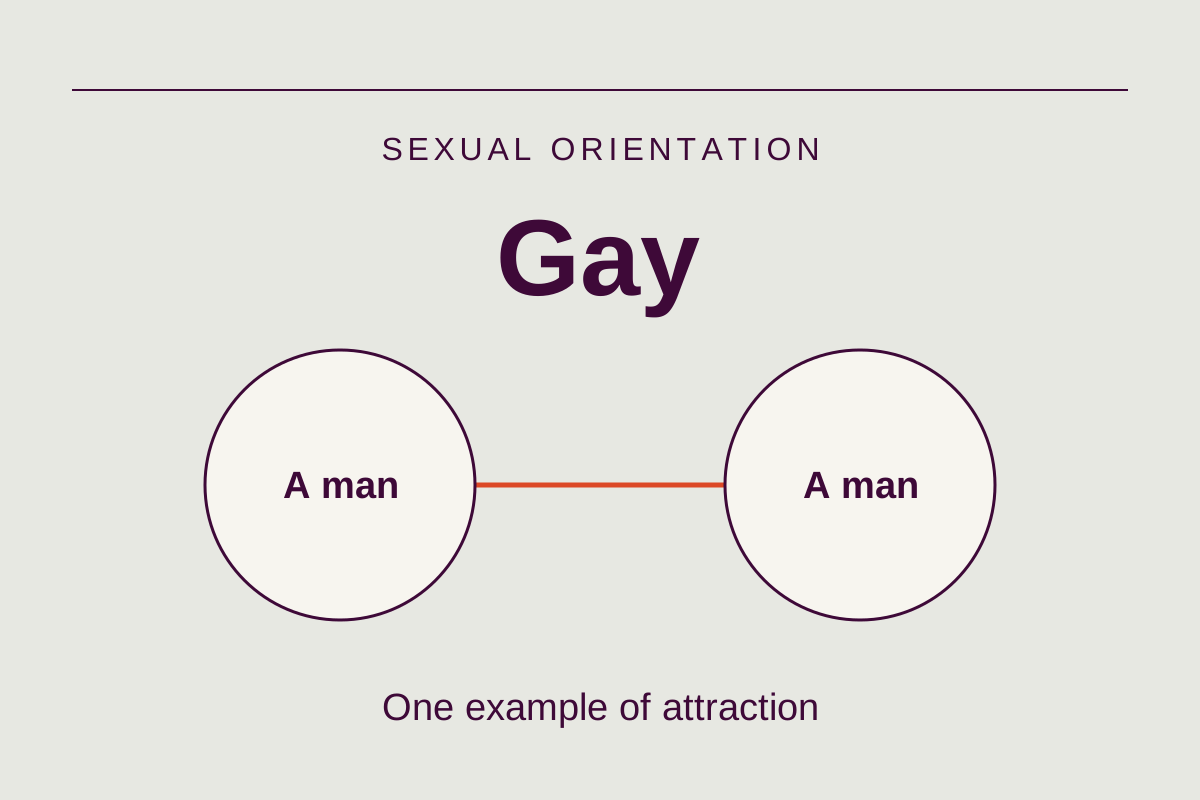
Being gay generally means experiencing romantic or sexual attraction to people of your own gender. Many men use the word gay, and some women and nonbinary people use it too. The term can communicate an important part of someone’s experience, but it never tells their whole story. Whether you are exploring your own feelings or trying to understand someone you love, you can begin with clear information and respect.
What does the word gay mean?
The word gay often describes a man who is attracted to men. It can also be a broader term people use for attraction to their own gender. Some women prefer lesbian, some prefer gay, and some use both. Language is personal. The most useful guide is the word someone uses for themselves, rather than the category an observer thinks fits best.
The CDC’s terminology guide describes sexual orientation in terms of attraction, behavior, and identity. In everyday conversation, those parts do not always line up neatly. A person’s current relationship, past dating history, or decision to remain single does not give another person enough information to label them.
If a friend says, “I’m gay,” a helpful first response can be straightforward: “Thank you for telling me. What would you like me to understand?” There is no need to ask for evidence, a history of intimate experiences, or a final explanation for every feeling. The conversation belongs to a person, not a definition you are trying to verify.
Sexual orientation is different from gender identity
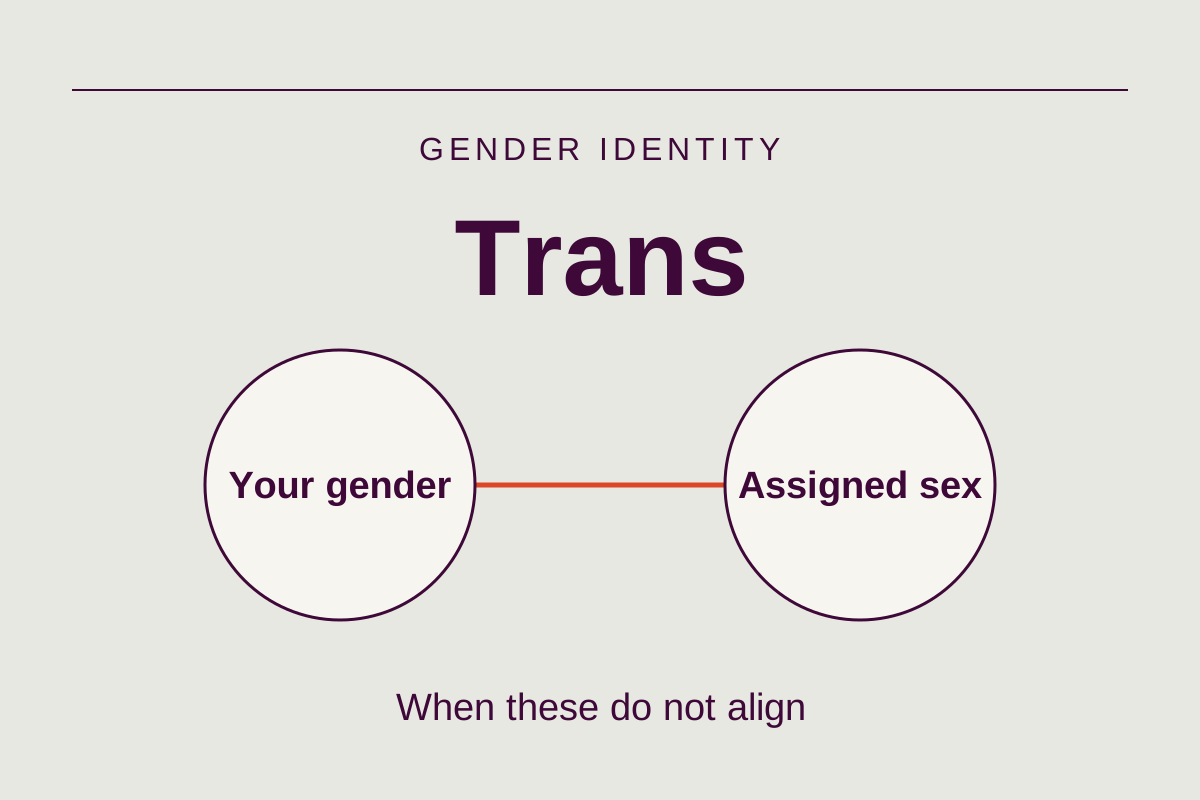
Being gay describes attraction. Being transgender describes a relationship between someone’s gender identity and the sex they were assigned at birth. These are different dimensions of a person’s life. A gay man is not necessarily transgender, and a transgender person is not necessarily gay. Neither identity can be established by looking at someone.
The American Psychological Association’s explanation of gender identity separates it from sexual orientation. A transgender man attracted to men may describe himself as gay. A transgender woman attracted to women may use gay or lesbian. People choose the terms that best communicate their own experience.
Gender expression is another distinct idea. A man can be quiet, expressive, athletic, fashionable, reserved, masculine, feminine, or some combination and still be gay. These qualities do not prove orientation. Treating stereotypes as clues can make people feel watched rather than understood, especially when they are already worried about other people’s reactions.
Attraction does not require proof or experience
You do not have to date or have sex to know you are gay. People often recognize feelings, crushes, or hopes for closeness before taking any action. Someone can also identify as gay while celibate, single, married, divorced, or uncertain about whether they want a relationship. A relationship status is not an orientation test.
The American Psychological Association’s educational primer notes that people can identify their orientation without sexual experience. No one needs to experiment to satisfy somebody else’s doubts. Choices about physical intimacy should reflect consent, readiness, and personal boundaries, not pressure to produce a convincing explanation.
For example, a young adult might notice that imagined romantic futures consistently involve another man, even though he has never dated. Another person might recognize being gay much later, after years of following expectations. Their stories differ. Neither needs to become a template that everyone else must match in order to be believed.
There is no single timeline for understanding yourself
Some people find the word gay helpful early. Others take years to consider it, try different words, or choose not to use a label. Familiarity with a term does not automatically bring comfort with it. Family expectations, religious belonging, cultural traditions, relationships, and practical safety can all shape the space someone has for reflection.
You do not owe anyone a dramatic moment of certainty. It is possible to say, “This is what I understand about myself now,” or “I’m still thinking about it.” A useful label can make communication easier, but it should not become a contract that forbids future honesty. You remain a whole person while your language develops.
If your thoughts feel tangled, consider setting aside a short, private time to write rather than trying to solve everything throughout the day. Notice what feels true, what feels frightening, and which questions actually need an answer today. You may discover that the most urgent issue is not the label itself, but how to find a trustworthy person to talk with.
Common misconceptions that can get in the way
Being gay is not a statement about someone’s interests, personality, politics, profession, or spirituality. Gay people differ in all of these areas. A person may feel deeply connected to an LGBTQIA+ community, participate occasionally, or prefer a private life. There is no required wardrobe, social circle, style of speaking, or way to celebrate identity.
Another misconception is that being gay says something about whether a person can be faithful in a relationship. Reliability depends on the agreements people make and the choices they make within them. Honesty, consent, care, and accountability remain relevant regardless of orientation. A label cannot tell you whether a particular relationship is healthy.
Being gay is not a mental illness, and an orientation is not something counseling needs to cure. Someone may seek counseling for distress, conflict, or relationship concerns, just as anyone else might. Support should address the person’s actual needs rather than making a different orientation the condition for feeling worthy of care. Promises to change someone’s orientation deserve serious scrutiny.
Coming out is a personal choice, not an obligation
Coming out means sharing something about your orientation or identity with another person. It can bring closeness, relief, uncertainty, or mixed feelings. It is also voluntary. You may tell one friend while keeping the information private elsewhere. Being more open in one setting does not mean you have consented to everyone knowing.
Before sharing, think about the practical context. If you depend on someone for housing, money, transportation, education, or caregiving, consider what might happen if the response is unkind. Waiting, sharing gradually, or choosing a different person first can be reasonable. Privacy is a valid boundary, and you do not have to risk essential support to prove self-acceptance.
If you decide to tell someone, plan the setting and your request. You might say, “I want you to know I’m gay. I’m not asking you to have every answer today. I do need you to keep this private.” Arrange a supportive conversation afterward if that would help. You can end a discussion that becomes threatening, humiliating, or relentless.
- Who has demonstrated that they can keep a confidence?
- What information do I want to share, and what stays private?
- Do I have a safe place and a support person afterward?
- What will I do if the person wants an argument instead of a conversation?
For parents, relatives, and friends: begin with the relationship
If someone comes out to you, they may have rehearsed the conversation many times. You do not need a perfect speech. A calm response such as “I love you, and I’m glad you told me” can keep the door open. Ask how they are feeling and what they need, rather than immediately centering your own surprise.
You may have beliefs or feelings to work through. Find an appropriate private place to do that without making the person defend their worth or manage your distress. Their disclosure does not give permission to tell other family members, a pastor, a prayer group, or social media. Ask explicitly before sharing, even when your intention is to help.
Keep ordinary connection alive. Invite them to dinner. Remember an important appointment. Ask about work, interests, and friendships. If every interaction turns into a discussion about orientation, the relationship can start to feel conditional. Consistent, everyday care communicates that the person still belongs in your life as more than a difficult topic.
Gay identity and Christian faith can raise important questions
A gay person may be Christian, belong to another faith, be questioning, or have no religious affiliation. Do not assume that being gay answers the question of belief. For someone who values Christianity, questions about identity may be woven into prayer, Scripture, church belonging, family relationships, and hopes for the future.
Christians differ in how they interpret teachings about sexuality and relationships. Some affirm same-gender relationships; others hold different convictions. A responsible conversation acknowledges those differences without telling every reader what they must believe. It can help to distinguish spiritual exploration from attempts to pressure, shame, or dictate an identity.
If faith matters to you, consider what kind of support you are seeking. You may want room to talk about religious hurt, preserve a meaningful spiritual practice, consider a community, or clarify personal values. You can ask whether a counselor will respect those goals. Our article on Christianity, LGBTQIA+, and faith provides further reflection, and our NB TIES page introduces an additional resource.
Relationships still need communication, boundaries, and care
Understanding that you are gay may clarify whom you are drawn to, but it does not automatically answer how you want to build a relationship. People can differ about commitment, affection, money, family involvement, religious practice, and privacy. Talking about these expectations early is more useful than assuming a shared orientation means a shared plan.
Imagine two partners with different levels of openness. One wants to introduce the relationship publicly; the other is worried about family reactions. Both may have meaningful needs. A practical conversation explores the specific settings, consequences, and boundaries involved. Neither partner should be forced into public disclosure, and neither person’s feelings should be dismissed as unimportant.
Healthy support also includes friendships and interests outside a romantic relationship. A partner cannot be every source of comfort, belonging, and advice. Keep space for people who respect you, activities that restore you, and decisions made at your own pace. Consent matters in both physical and emotional closeness, including the freedom to say no or ask for time.
When counseling can provide useful support
You do not need counseling simply because you are gay. You may want support if family conflict, shame, spiritual questions, loneliness, relationship strain, or anxiety are making life harder. A useful starting question is “What would I like to be different in my daily life?” The answer can guide the conversation more clearly than a label alone.
Before beginning, ask how the counselor works with LGBTQIA+ clients and whether faith can be discussed in the way you want. You can ask about goals, confidentiality and its limits, and what happens if you disagree. Counseling should make room for your experience and choices. It should not promise a change in orientation or require you to abandon your faith.
Made Free For Life offers professional online telehealth services available in WA and FL, with Christian principles available upon request. You can read about the approach, explore areas of support, or contact the practice to ask whether the available services fit your situation. You can seek help for the difficulty you are facing without needing a polished explanation of your identity first.
Frequently asked questions
Does gay only describe men?
Many men use gay, but some women and nonbinary people also use the word. Some women prefer lesbian, and others use both terms. Follow the person’s language rather than correcting them based on a rigid definition. When it is relevant and appropriate, a respectful question is better than an assumption.
Can I be gay if I have dated someone of another gender?
Yes. A previous relationship does not automatically determine someone’s orientation. People may understand themselves differently over time or have followed expectations before finding language that fits. You do not have to dismiss the meaning of an earlier relationship to be honest about how you understand yourself now.
Do I have to come out to everyone?
No. You decide whether, when, and with whom to share. Consider privacy, safety, and any practical dependence on the people involved. Sharing with one person does not authorize them to tell others. You can be clear that information is confidential, and you can choose not to discuss details.
Can someone be both gay and Christian?
Some people identify as both gay and Christian. Christian communities hold different views about sexuality and relationships, so experiences of belonging vary. If this is personal for you, it may help to find a respectful space to explore your faith, values, and relationships without being pressured into a predetermined theological answer.
What should I say when someone tells me they are gay?
Thank them for trusting you, listen, and ask what kind of support they want. Avoid demanding proof or intimate details. Ask who else knows and whether the information is private. If you need time to process your own feelings, do that without withdrawing ordinary kindness or making them responsible for reassuring you.
Is counseling intended to change a gay person’s orientation?
No. Being gay is not an illness to cure. Counseling can address concerns such as distress, communication, family conflict, or faith questions, based on the person’s goals. Ask directly about a counselor’s approach. Be wary of promises to make someone straight or pressure to adopt any identity.