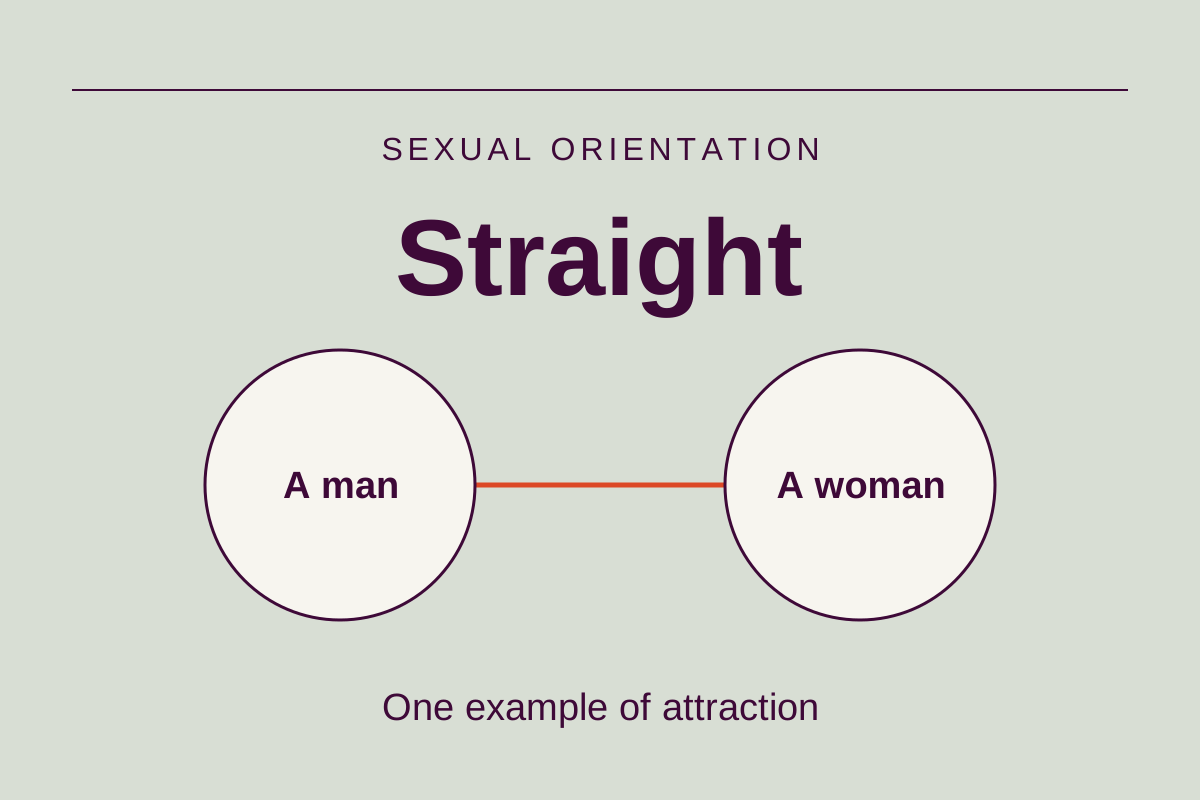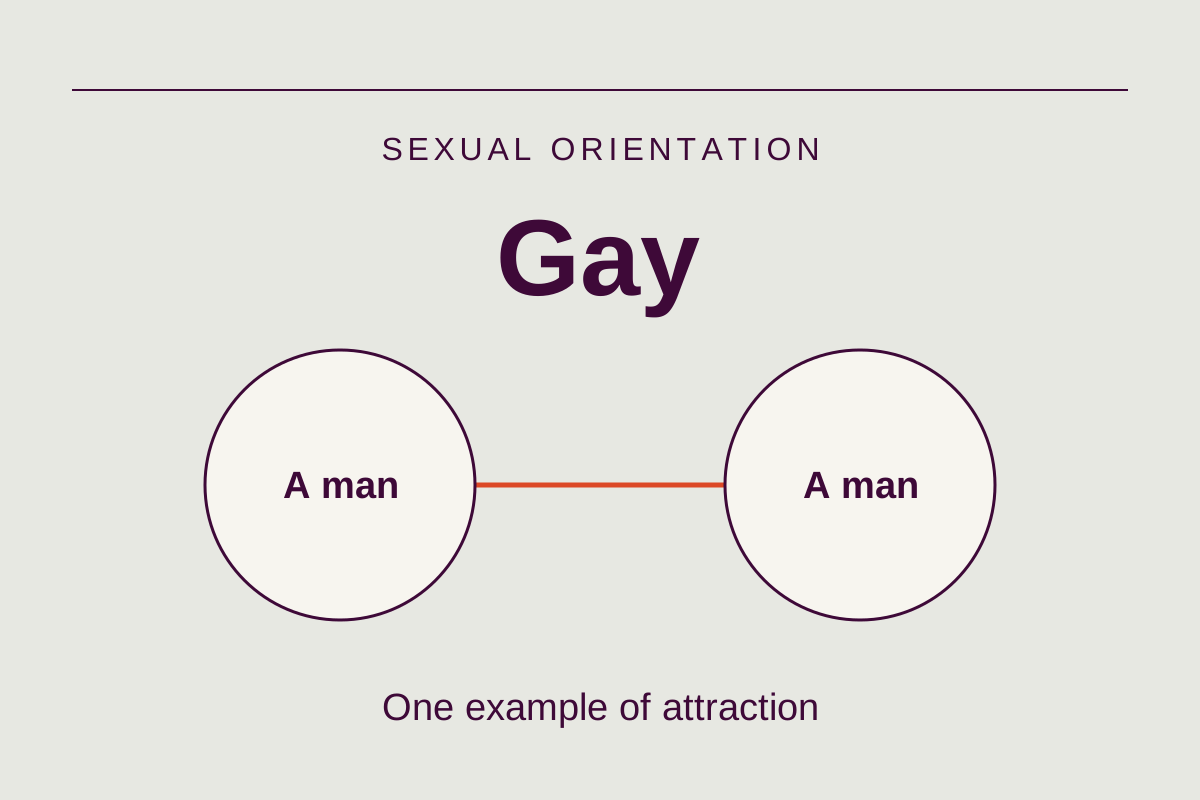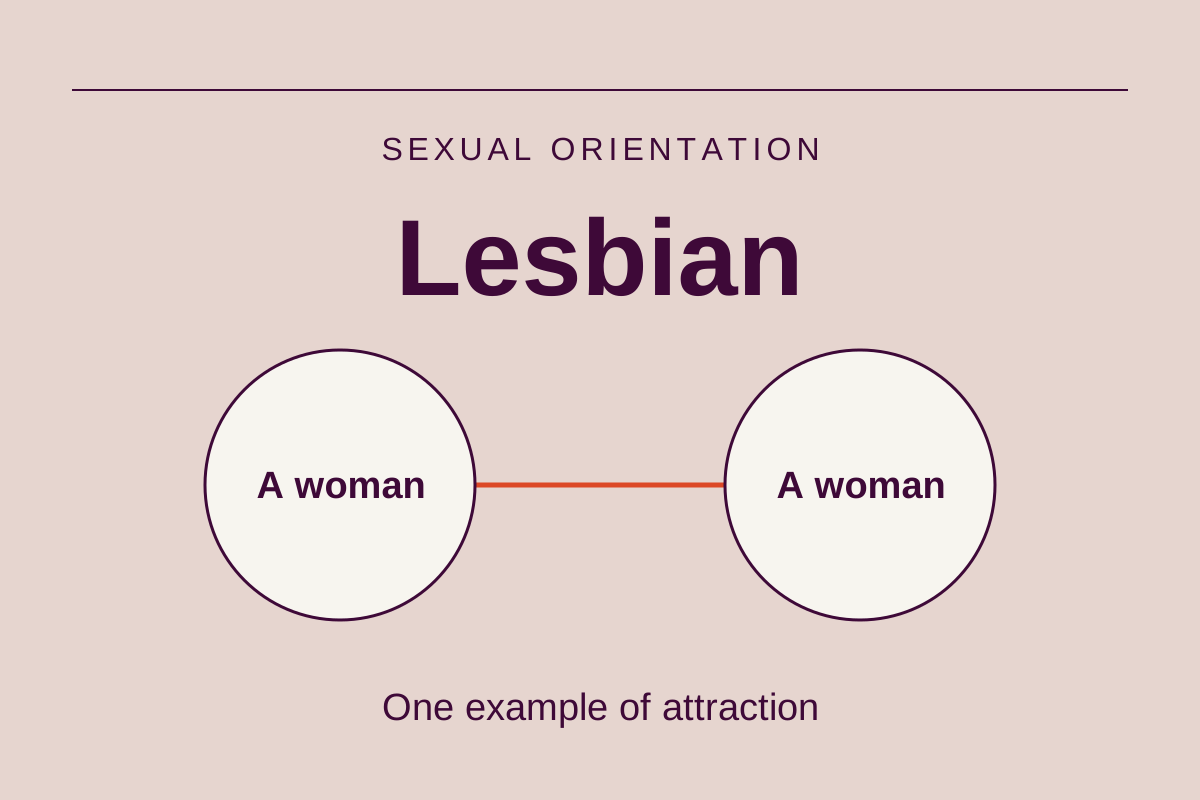
Being lesbian commonly means being a woman who is romantically, emotionally, or sexually attracted to other women. Some nonbinary people also use lesbian to describe themselves. It is a word a person can choose to explain something meaningful about their attraction and identity, not a conclusion other people should impose. If you are learning about yourself, supporting someone you love, or trying to understand how sexuality and faith fit together, you can begin with curiosity rather than a demand for immediate answers.
What does lesbian mean in everyday language?
The central idea is attraction to women. For one person, that may involve imagining a loving partnership with a woman. For another, it may include romantic feelings, physical attraction, or the recognition that relationships with women feel personally meaningful. People do not all describe those experiences in exactly the same way. The Human Rights Campaign glossary offers a useful starting definition and recognizes that some nonbinary people use the word too.
A definition helps a conversation begin; it does not give strangers permission to interrogate someone. If a person says she is lesbian, a respectful response is to listen to how she understands that word. She does not need to supply an account of every crush or relationship. Asking what language she prefers is different from asking her to defend whether she qualifies.
Lesbian can also carry a sense of community, shared history, or belonging. Some people feel relieved when they discover it. Others prefer gay, queer, another term, or no label. A useful word should help someone communicate, not become a new set of rules about how to dress, believe, behave, or build a life.
Sexual orientation and gender identity answer different questions
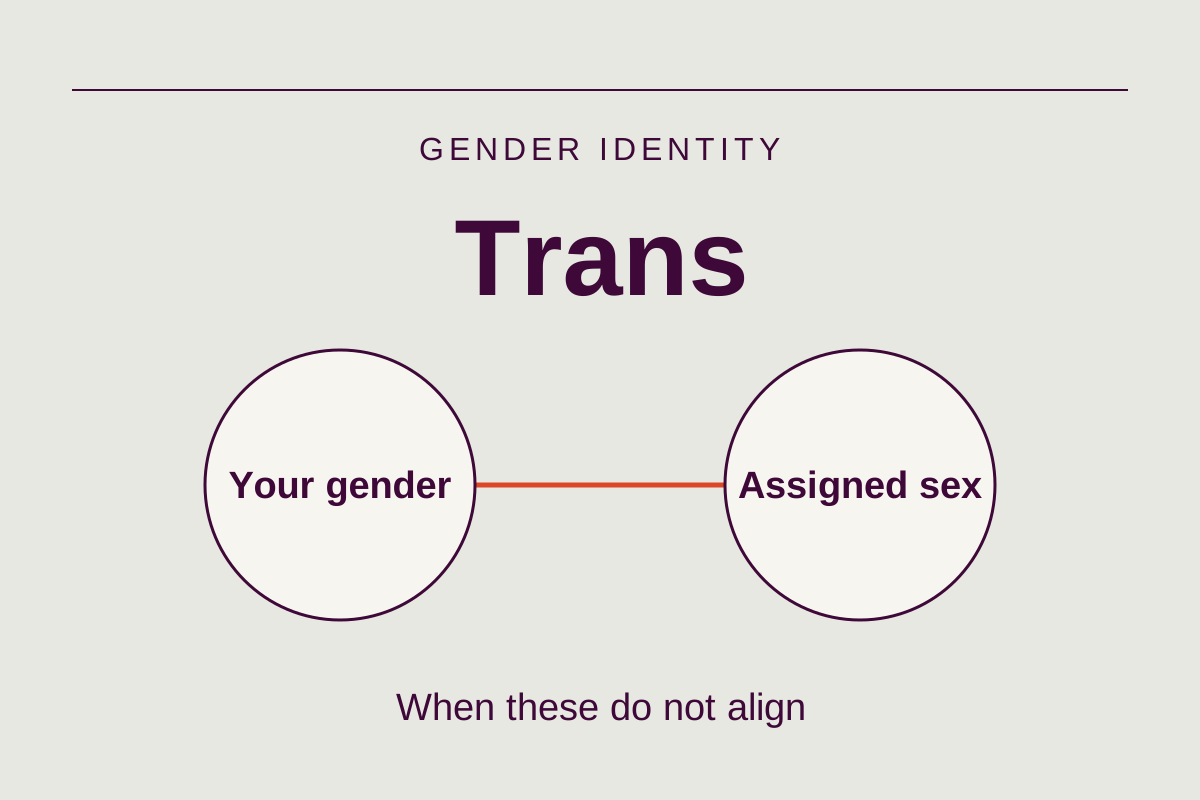
Sexual orientation concerns patterns of attraction. Gender identity concerns a person's understanding of their own gender. Lesbian generally describes orientation. Transgender and nonbinary describe gender-related experiences. These are connected parts of some people's lives, but one does not automatically tell you the other. A trans woman can be lesbian, straight, bisexual, or use another orientation label, just as other women can.
Gender expression is another distinction. Clothing, hair, voice, hobbies, and mannerisms are ways people present themselves, shaped by personal preference and social expectations. A masculine-presenting woman may be lesbian, but her appearance cannot establish that. A feminine woman may be lesbian too. Pronouns are not an orientation test either. Treating style as evidence often tells us more about a stereotype than about the person.
This distinction also matters for nonbinary people who use lesbian. Their relationship to gender, attraction, and community may not fit a short sentence. You do not have to solve every question about language before treating them kindly. If clarification is relevant to your relationship, invite an explanation without expecting them to speak for everyone.
Attraction does not require a relationship history
A person does not need to have dated or had sex with a woman to recognize that lesbian fits. Consider the difference between knowing whom you could imagine loving and having an opportunity to pursue that relationship. Someone may remain single because of timing, faith commitments, safety concerns, family circumstances, or simply personal preference. Being single does not erase orientation.
Previous relationships with men do not automatically disprove someone's present understanding either. People sometimes follow an expected path before they have words for their feelings. Others understand earlier experiences differently as they reflect. A past marriage can have contained real care while a person later identifies as lesbian. Those situations deserve honesty and consideration for everyone involved, rather than a quick judgment about what was real.
Romantic and sexual attraction may not always feel identical. Someone might find a romantic connection easier to recognize than sexual feelings, or need time to understand both. Labels can be helpful, but no one owes another person a detailed sexual history. In a current partnership, the useful conversation is about consent, expectations, honesty, and the relationship each person can freely choose.
If you are wondering whether the word fits you
There is no questionnaire that can pronounce your identity with certainty. Reflection can begin with ordinary questions: Whom do I imagine sharing daily life with? Which feelings seem like attraction, and which seem more like admiration, friendship, or wanting approval? What changes when I imagine a future without trying to satisfy everyone else's expectations? These questions are invitations to notice, not a scoring system.
Give yourself permission to separate a feeling from an immediate decision. Noticing attraction does not require announcing it, ending a relationship that day, joining a community, or choosing a permanent label. If you are already partnered, take time to think about how to act with integrity. Private reflection and thoughtful professional support can help you prepare for difficult conversations without making promises you cannot keep.
You may find lesbian clarifying, remain questioning, or discover that another word describes you better. Uncertainty does not mean you are being dishonest. A useful private note might say, "This is what I notice right now, and this is what I still do not understand." That leaves room for learning without turning your life into an argument you must win.
Common stereotypes that get in the way
Lesbian women do not share one personality, political position, appearance, or relationship role. Being attracted to women does not imply disliking men, rejecting femininity, or having had a particular childhood. Nor does it reveal whether someone wants marriage, children, a busy social life, or a quiet home. Those are individual questions.
Another unhelpful assumption is that a relationship between women must have one person who is "the man." Couples can divide responsibilities according to preference, ability, schedules, and agreements. One partner cooking while the other manages finances does not convert either person into a different gender. Ask about the actual relationship rather than fitting it into an imagined template.
It is also unfair to assume that a lesbian woman is attracted to every woman she meets. Orientation describes a direction of potential attraction, not an absence of boundaries. Friendships, professional relationships, privacy, and consent still matter. Someone sharing her identity is not automatically expressing interest in the person listening.
Coming out is personal, and privacy matters
Coming out means choosing to share something about your identity. It can happen in many separate conversations rather than one announcement. Someone may tell a close friend but not a workplace, or feel comfortable with siblings while needing more time with parents. That difference does not make the identity less sincere. Different settings carry different relationships and consequences.
Before sharing, consider what you want from the conversation. Are you asking for emotional support, introducing a partner, correcting an assumption, or setting a boundary? It can help to choose a private time and prepare one clear sentence. For example: "I am lesbian, and I wanted you to hear that from me. I am not ready for you to share it with anyone else."
If disclosure could threaten housing, financial support, physical safety, or access to essential care, planning can come first. Identify a trusted person, think about practical options, and choose a setting you can leave. You never have to disclose merely to prove courage or authenticity. The Trevor Project's Coming Out Handbook includes reflection tools, particularly for young people. Never share someone else's identity without permission.
Relationships still need the everyday foundations
A shared orientation does not guarantee compatibility. Healthy relationship conversations still include how each person handles disagreement, affection, boundaries, money, faith, family involvement, and time together. Feeling understood in one part of life can be powerful, but it is not a reason to overlook pressure or dismiss a concern.
Partners may differ in how publicly they share their relationship. One may be comfortable introducing a girlfriend everywhere while the other is protecting a complicated family situation. Rather than treating either person as automatically wrong, discuss the actual limits: Where can we be acknowledged? What can we reasonably expect? Is this arrangement freely chosen, and when will we revisit it?
If a relationship involves secrecy, conflict, or a major identity discovery, slow and specific conversations usually offer more clarity than labels alone. Each person can name what they need and what they can offer. Respect includes allowing the possibility that two people care deeply about each other yet want different kinds of relationships.
How family members and friends can respond
A calm first response can make room for a better conversation. Try, "Thank you for trusting me. What would help you feel supported?" If you need time to process, say so without making the person responsible for comforting you. You can be honest that you are learning while still being clear that you care about their dignity and safety.
Avoid demanding proof, discussing someone's body, or presenting a future marriage to a man as the solution. Ask permission before sharing the news, including with a spouse, pastor, or prayer group. A disclosure intended as a request for support can feel like a breach of trust if it becomes a family announcement.
Ordinary inclusion matters too. Ask about a partner using the same courtesy you would offer other couples. Do not turn every visit into a debate about sexuality. If you make an assumption or use the wrong word, acknowledge it briefly and adjust. Consistent respect generally communicates more than an elaborate statement followed by repeated dismissive behavior.
Being lesbian and making sense of Christian faith
Christian communities differ in how they interpret same-sex relationships, scripture, marriage, and belonging. Lesbian people also have varied spiritual lives. Some are deeply involved in church, some are reconsidering inherited beliefs, and others have no religious affiliation. Neither a label nor a church background tells you what a particular person believes.
If faith is important to you, it can help to name the question you are actually carrying. You may be asking about doctrine, grief over a strained relationship, fear of rejection, or whether you can pray honestly. Those concerns may overlap, but they are not interchangeable. You deserve space to consider them without having someone rush you toward a predetermined theological answer.
If you seek a counselor or spiritual adviser, ask how they approach faith and sexuality, how they handle disagreement, and whether your goals guide the conversation. Our article on Christianity, LGBTQIA+, and faith offers another place to begin. You can also explore the existing NB TIES page as you consider resources.
Support for the questions underneath the label
Counseling can focus on whatever is creating difficulty: a painful family conversation, uncertainty about a relationship, shame, loneliness, boundaries, or competing expectations. A label itself does not tell a counselor what you need. Helpful questions include, "What would I like to understand?" and "What would make daily life feel more manageable?" You do not need a perfectly organized story to start.
Made Free For Life offers online telehealth services available in WA and FL, with Christian principles available upon request. You can read about the counseling approach or get in touch to discuss fit. You remain a whole person with relationships, beliefs, responsibilities, hopes, and choices. Understanding the word lesbian can be one useful part of understanding your life, without having to make it the explanation for everything.
Frequently asked questions
Can I be lesbian if I have never dated a woman?
Yes. Dating and sexual experience are not entry requirements. People can recognize attraction or a hoped-for partnership before having an opportunity to pursue either. You also do not need to date anyone to prove something to yourself or another person. Give yourself room to notice what feels accurate without turning another person into an experiment.
Can trans women be lesbian?
Yes. A trans woman who is attracted to women may describe herself as lesbian. Transgender describes a gender-related experience, while lesbian describes orientation. Neither word determines a person's appearance, medical history, or relationship preferences. Use the language she chooses and respect the same privacy you would offer anyone else.
Does a past relationship with a man mean I cannot be lesbian?
No. A past relationship does not, by itself, determine the label that best describes someone now. People understand their histories in different ways. If your current understanding affects an existing partnership, focus on honest communication and the wellbeing of everyone involved, rather than trying to erase the past or find a single explanation for every feeling.
Do I have to tell my family?
You get to consider whether, when, and how to share. Your safety, dependence on others, privacy, and readiness all matter. You can start with one trustworthy person or wait while you make a plan. If someone else knows, be explicit about whether they have permission to share. Coming out is not a debt you owe your family.
Can I discuss Christian beliefs without being pushed toward an answer?
You can ask for support that makes room for your beliefs and questions. Before beginning, ask a counselor how faith enters sessions, how goals are agreed upon, and how they handle uncertainty. At Made Free For Life, Christian principles are available upon request. You can discuss what that means for your needs before deciding whether the approach is a good fit.