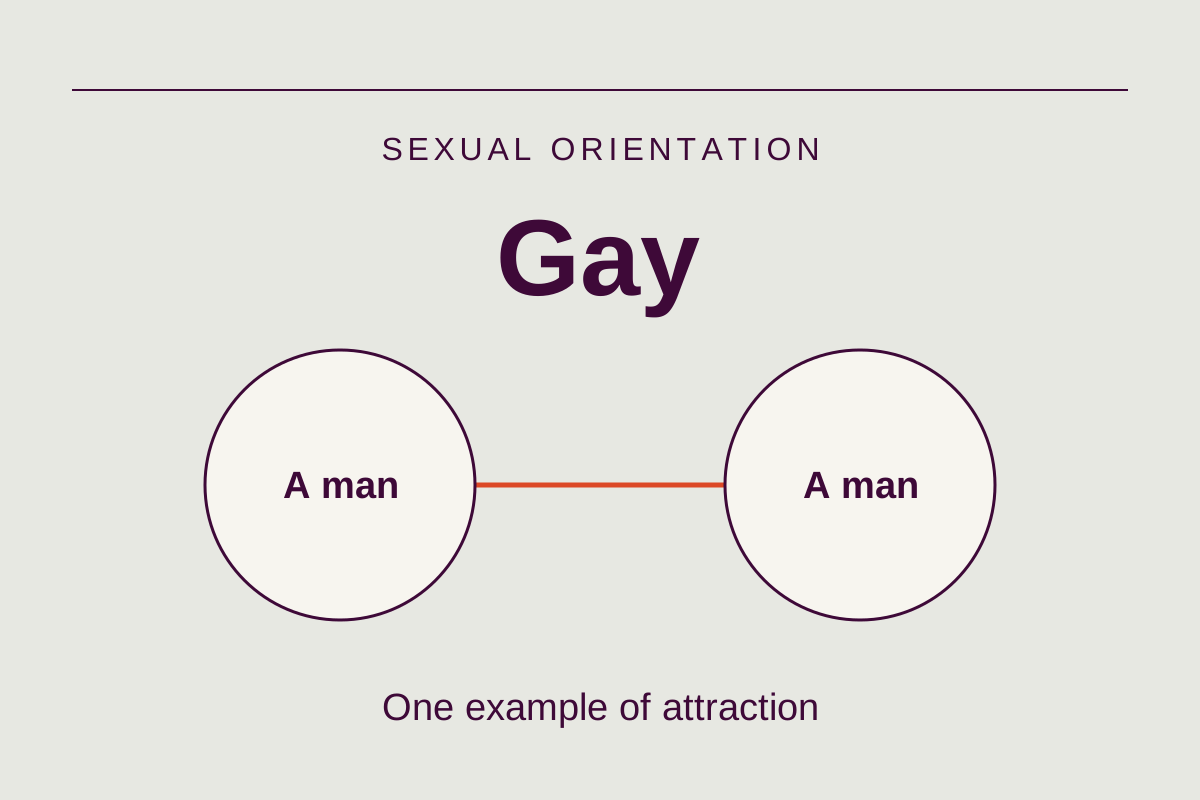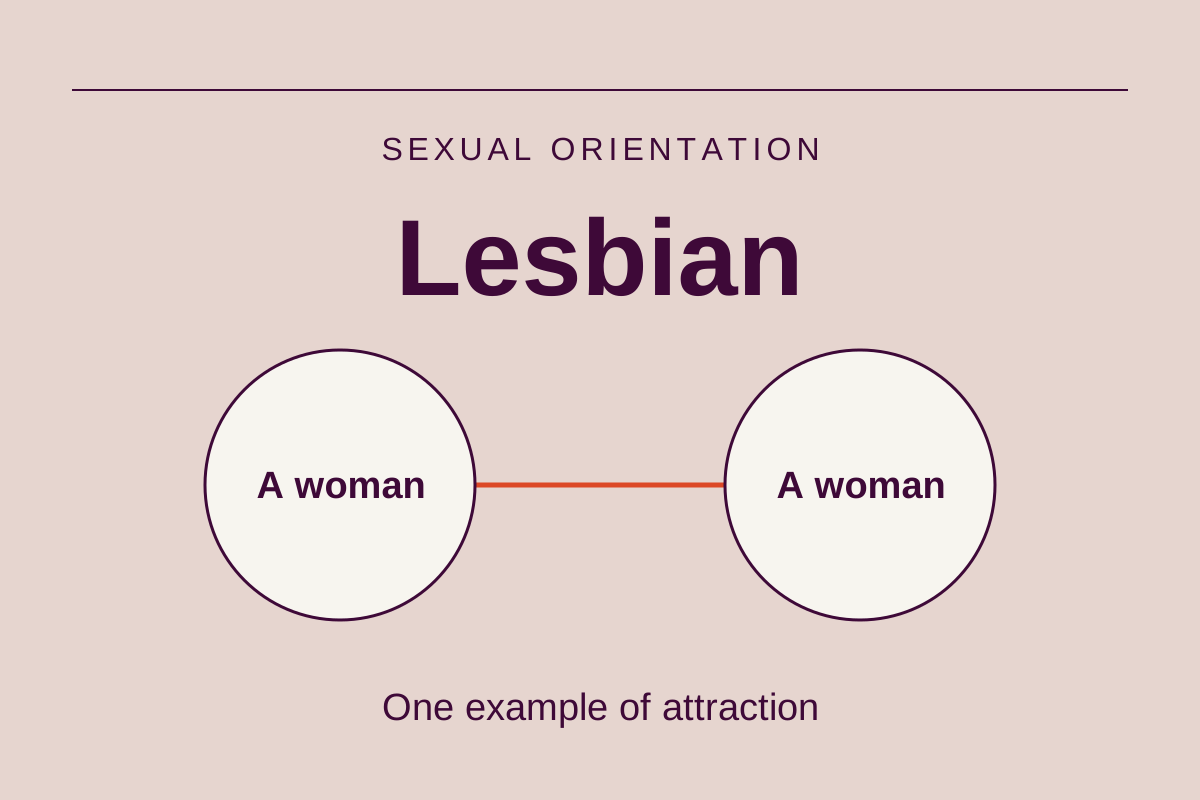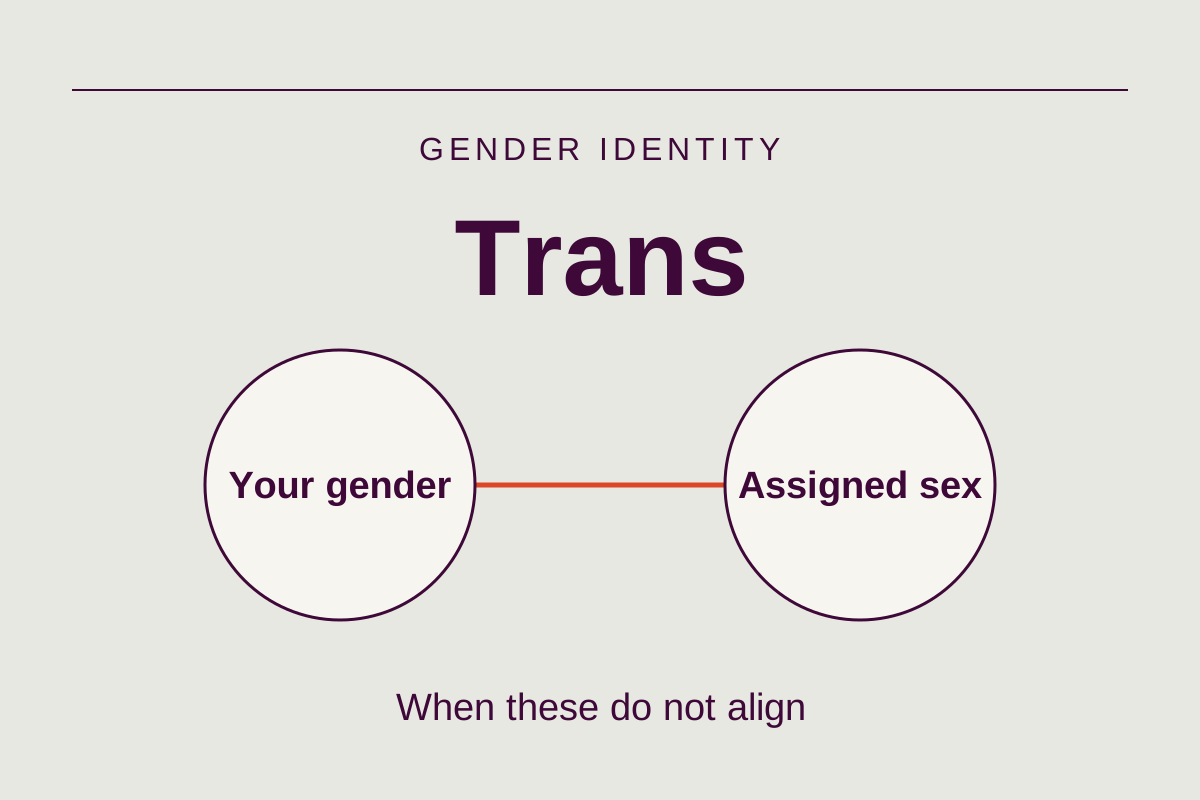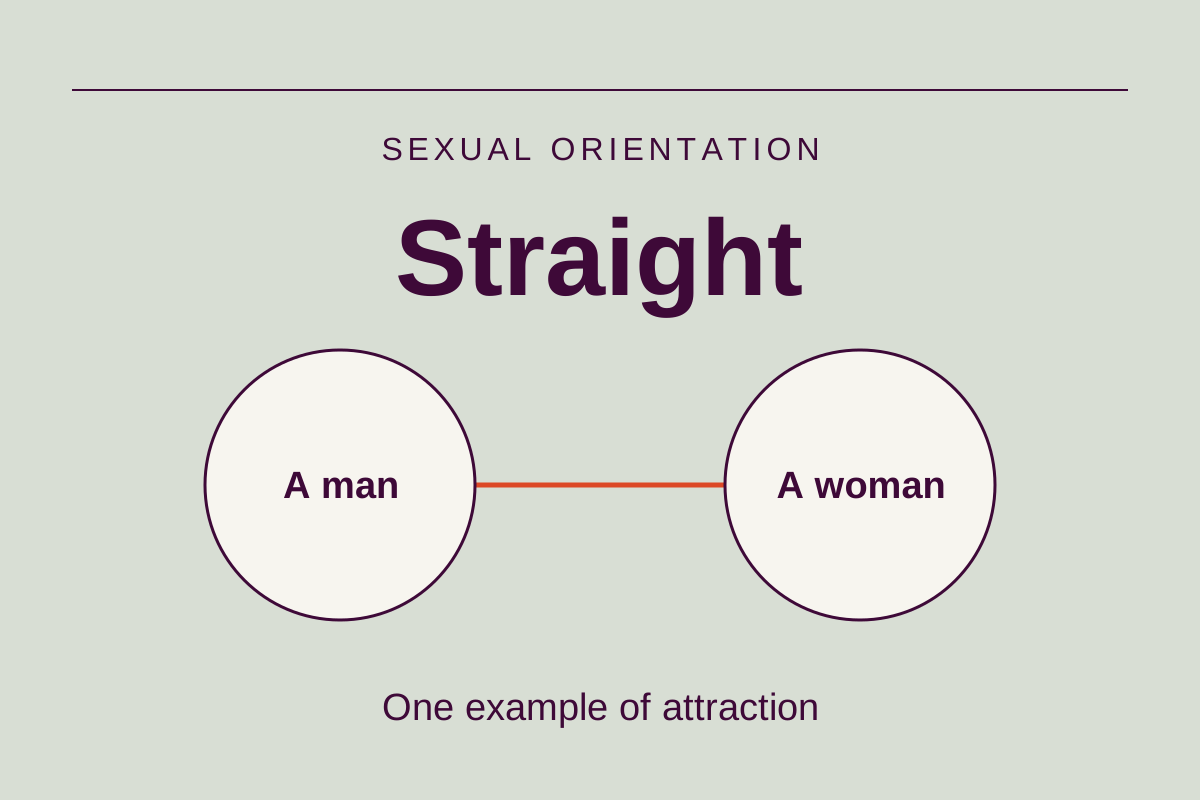
Being straight usually means experiencing romantic or sexual attraction to people of a different gender. The word heterosexual describes the same broad orientation. It is a description of attraction, not a measure of someone’s character, faith, maturity, or ability to build a caring relationship. You can understand the definition and still have personal questions. This guide makes room for both.
A simple definition, with room for real people
Straight is a familiar word, but it helps to be precise. A woman who is attracted to men may describe herself as straight. A man who is attracted to women may use that word too. Sexual orientation concerns the direction of attraction. It does not tell us everything about how someone lives, what relationships they want, or which values guide their decisions.
Planned Parenthood’s guide to sexual orientation explains the distinction between attraction to a different gender and other orientations. These definitions provide a starting point for understanding, not a license to decide another person’s identity. If someone tells you the word they use for themselves, listen to that rather than guessing from their partner or appearance.
In ordinary conversation, a useful approach is to offer your own description without making everyone else explain theirs. “I’m straight” can simply communicate something about you. It does not need to become a comparison, a defense, or a claim that there is one acceptable way for every person to experience attraction.
Orientation, gender identity, and expression answer different questions
Orientation concerns whom you are drawn to. Gender identity concerns your experience of your own gender. Gender expression concerns the way you present yourself, which might include clothing, hairstyle, voice, or mannerisms. These ideas can overlap in a person’s life, but they are not interchangeable. A haircut or an interest in a particular activity does not reveal someone’s orientation.
Being transgender does not determine whether a person is straight or gay. A transgender man who is attracted to women may describe himself as straight. A transgender woman who is attracted to men may do the same. The person’s own description matters. The American Psychological Association’s practice guidelines distinguish orientation, gender identity, and gender expression.
Think of a man who loves cooking, avoids competitive sports, and is married to a woman. None of his hobbies is evidence for or against his stated orientation. Similarly, a woman’s assertiveness or clothing style does not tell you whom she loves. Letting go of these shortcuts leaves more room for people to be themselves without constant interpretation.
You do not need a relationship history to know yourself
A person can be straight while single, celibate, inexperienced, divorced, or widowed. Attraction and relationship history are related parts of life, but they are not the same thing. You do not need to date, kiss, marry, or have sex with someone to earn a word that helps describe your experience.
The American Psychological Association’s overview of orientation notes that people can recognize their orientation without prior sexual experience. This applies across orientations. A teenager who knows they are straight does not have to prove it, and an adult who is still making sense of attraction does not have to arrange an experience to settle the question.
Choices about dating and sexual behavior can reflect religious commitments, readiness, health, personal boundaries, or circumstances. Someone who chooses to remain single may still experience attraction. Someone in a relationship may have a more complicated inner story than outsiders realize. Neither situation gives observers permission to supply a label the person has not chosen.
Attraction is different from admiration, closeness, and obligation
You can think another person is beautiful without wanting a romantic relationship with them. You can feel deeply connected to a friend without wanting sexual contact. You can also enjoy someone’s attention without wanting a future together. Separating these experiences can make reflection gentler and more useful than treating every warm feeling as a verdict about identity.
Consider someone who feels moved by a close friendship and wonders, “Does caring this much mean I have misunderstood myself?” A better starting point may be to ask what kind of closeness they actually want. Is it companionship, reassurance, romance, physical affection, or some combination? There is no requirement to answer every part immediately.
Likewise, being straight does not mean being attracted to every person of another gender. It does not obligate you to accept a date, stay in a relationship, marry, or become a parent. Orientation describes a pattern of attraction. Consent, compatibility, boundaries, and personal choice still matter in each particular relationship.
Common misunderstandings about being straight
One misunderstanding is that straight people never need to think about identity. Many do, especially when a partner comes out, a child asks questions, a friendship challenges assumptions, or a faith community starts discussing sexuality. Asking thoughtful questions does not automatically change someone’s orientation. It can simply mean they are trying to understand themselves and others more carefully.
Another misunderstanding is that straight is a complete explanation of a person’s relationship needs. Two straight people may disagree about emotional closeness, marriage, parenting, religious practice, money, or conflict. Sharing an orientation does not create compatibility by itself. Relationships still require honest conversations and attention to how each person is treated.
A third misunderstanding is that being straight makes someone more moral, more faithful, or more psychologically healthy. An orientation label cannot establish those things. In everyday relationships, look at concrete behavior: honesty, respect for boundaries, accountability, willingness to repair harm, and care for another person’s freedom. Those are more useful questions than whether someone belongs to a familiar category.
Reflecting on your own identity without turning it into a test
If straight feels like an accurate word for you, you are allowed to use it without examining every past thought. If it no longer seems to fit, you are allowed time to explore that too. Self-understanding does not have to happen on a deadline set by friends, family, social media, or a romantic partner.
A private journal can help organize thoughts when reflection feels scattered. Try writing about what you notice rather than what you think you should feel. Leave room for “I don’t know yet.” The goal is clearer understanding, not collecting evidence against yourself or performing certainty for someone else.
If reflection becomes a loop of checking, reassurance-seeking, or panic, it may help to talk with a qualified mental health professional about the distress itself. A useful conversation can focus on how the questioning is affecting sleep, concentration, daily life, and relationships, without requiring an immediate conclusion about identity.
- Which connections feel romantic, and which feel like friendship or admiration?
- What words feel useful when nobody else is watching?
- Which expectations come from my own values, and which come from fear of disappointing someone?
- What would give me space to reflect without pressure?
Faith can be part of the conversation
For a Christian reader, questions about orientation may sit alongside questions about Scripture, belonging, marriage, conscience, and spiritual community. Christians hold differing beliefs about sexuality and relationships. A short article cannot settle those differences, and a counseling conversation should not assume that every Christian wants the same kind of spiritual guidance.
It can help to separate several questions: What am I experiencing? What do I believe? How do I want to treat other people? What kind of support do I need? These questions influence each other, but trying to answer all of them at once can leave a person overwhelmed. Giving each question its own space can make the next step clearer.
A straight Christian may also want help responding to an LGBTQIA+ loved one while considering personal convictions. Start with listening, respect, and the relationship in front of you. A person’s disclosure is not an invitation to debate their entire life. Our article on Christianity, LGBTQIA+, and faith offers another place to begin reflecting.
Healthy relationships require more than a shared label
Imagine a couple who both identify as straight but have different expectations about closeness. One wants daily conversation; the other needs quiet after work. Calling the disagreement a failure of love skips the practical issue. They may need to clarify what connection looks like for each of them and agree on a rhythm that respects both people.
The same applies to boundaries, faith practices, and sexual expectations. Attraction does not replace consent. Being married does not eliminate the need to listen. A partner’s discomfort deserves attention rather than dismissal. Useful conversations include specific requests, such as “Can we set aside twenty minutes without phones?” instead of assumptions such as “You should already know what I need.”
When discussing identity, avoid using a partner as proof. A relationship is between people, not a public certificate of orientation. If one person is questioning or comes to understand themselves differently, both people may need room for honest feelings. Respectful conversation makes space for grief, uncertainty, affection, boundaries, and decisions without coercion.
Supporting LGBTQIA+ friends and family as a straight person
You do not need to have the same experience as someone else to respond with care. If a loved one shares their orientation or gender identity, begin with appreciation for their trust. Ask what they want from the conversation. They might want listening, practical help, privacy, or simply a chance to be known more fully.
Keep their information private unless they give permission to share it. Telling a relative, church leader, or friend “for support” can expose someone to consequences they were trying to manage. You can seek guidance about your own feelings without identifying the person or repeating details they entrusted to you.
If you make a mistake, correct it simply and keep listening. A long explanation about your intentions can make the other person responsible for comforting you. Try “Thank you for correcting me” and use the person’s requested language. You can also explore the resources introduced on our NB TIES page as part of your own learning.
When counseling may help
Being straight is not a problem to treat. Counseling may be useful when you are dealing with relationship strain, shame, family conflict, anxiety, or confusion about expectations. The starting point can be the difficulty you want support with, rather than the assumption that an identity label explains everything happening in your life.
Before starting, ask how the counselor approaches sexuality, personal values, and faith. You should be able to explain your goals and ask whether the approach fits. No one should promise to make a person straight or pressure them to adopt a different orientation label. Useful support leaves room for honest exploration without deciding the outcome in advance.
Made Free For Life offers professional online telehealth services available in WA and FL, with Christian principles available upon request. Read about the counseling approach, explore areas of support, or contact the practice to discuss whether the available support fits your needs. You can begin with the concern that matters today, even if your words for the rest are still taking shape.
Frequently asked questions
Can I be straight if I have never dated anyone?
Yes. Dating history is not a requirement for understanding orientation. You may recognize romantic or sexual attraction before a relationship, or while choosing celibacy. You do not need an experience to prove yourself. If you are unsure, you can also take time without treating dating as a test.
Can a transgender person be straight?
Yes. Gender identity and sexual orientation describe different things. A transgender person may identify as straight, gay, lesbian, bisexual, or another orientation. Use the language the person gives you instead of assuming that being transgender tells you whom they are attracted to.
Does admiring someone of my gender mean I am not straight?
Not necessarily. Admiration, friendship, aesthetic appreciation, romantic attraction, and sexual attraction are different experiences. One moment does not require an immediate identity decision. If you want to reflect, consider the kind of connection you are noticing without forcing a conclusion or asking someone else to label you.
Do straight Christians need counseling about identity?
Not simply because they are straight. Counseling can be relevant when questions about identity, relationships, family, or faith are causing distress or conflict. The goal should be appropriate support for your concerns, with any religious integration discussed openly and included only when it fits your wishes.
How can I support someone whose orientation differs from mine?
Listen, use their chosen language, and protect their privacy. Ask whether they want advice before giving it. You can learn unfamiliar terms independently rather than making the person explain everything. Respectful support begins with treating them as a whole person, including their interests, relationships, values, and ordinary daily life.