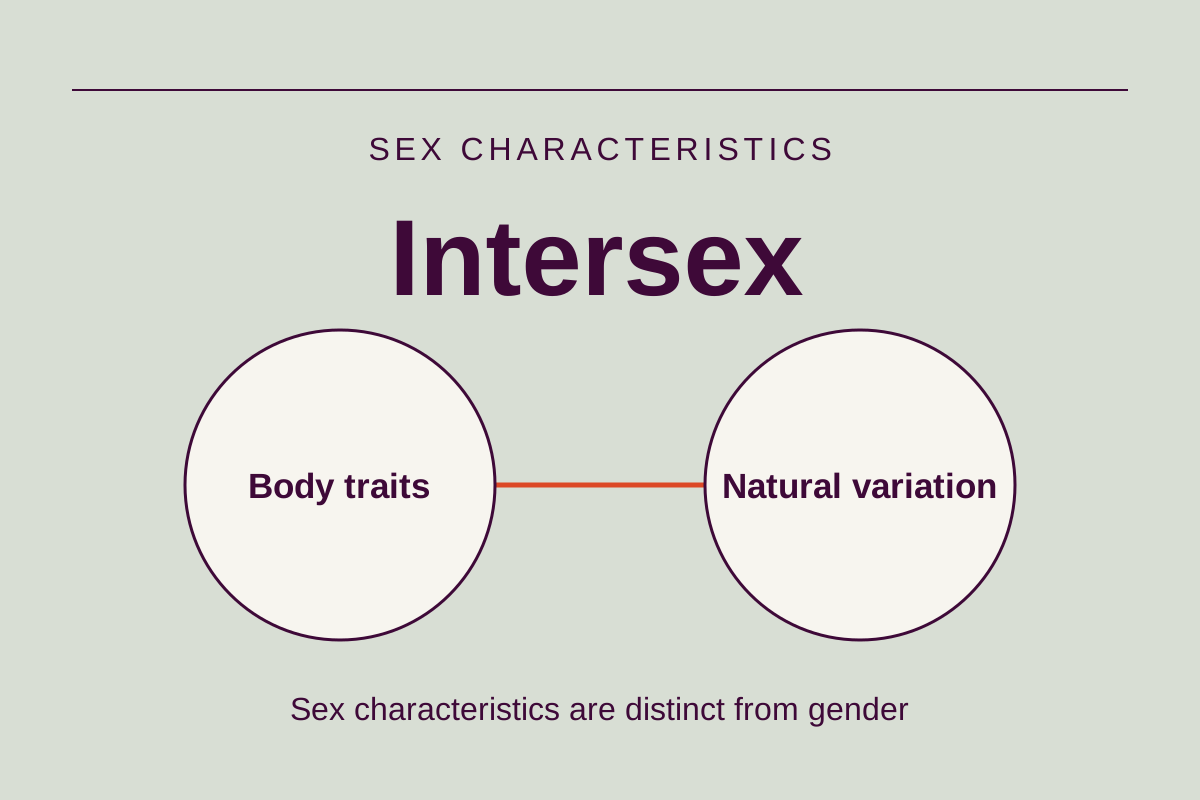
Intersex describes variations in sex characteristics, such as chromosomes, hormones, or reproductive anatomy, that do not fit typical definitions of female or male bodies. It is an umbrella term, not one single diagnosis or one way of living. If the word is new to you, the most useful starting point is simple: an intersex person is a whole person, with a life that extends far beyond medical information. This guide offers clear language and practical ways to approach conversations with respect, whether you are learning about yourself or someone you love.
What does intersex mean in plain language?
Sex characteristics include internal and external reproductive anatomy, chromosomes, and hormone patterns. Intersex variations concern these physical characteristics. They are not a personality type, a clothing style, or a decision someone makes. The interACT FAQ provides an accessible introduction to the term.
An umbrella term brings different experiences together without making them identical. Knowing that someone is intersex does not tell you which traits they have, what medical care they need, or how they describe their gender. It also does not tell you what they want to discuss.
Think of the word as an opening to understanding, rather than permission to investigate. A friend saying “I am intersex” may be inviting you into an important part of their life. A thoughtful first response is to listen and ask what they would like you to know, rather than request intimate details.
Intersex traits are not always apparent at birth
Some variations are noticed at birth. Others become apparent at puberty or during investigations later in life. A person might learn about a variation while asking a healthcare professional about development or fertility. Northern Territory Government health guidance describes these different times of discovery.
That does not mean every unexpected change in puberty, hormone result, or difficulty conceiving means someone is intersex. Those experiences can have different explanations. An article cannot establish a diagnosis from a list of symptoms or a resemblance to another person’s story. Questions about your own body deserve an individual clinical assessment.
Learning new information as an adult can raise practical and personal questions at the same time. You might want to understand a medical term, request a clearer explanation of past care, or take time to think before talking with relatives. You do not have to handle all those questions in a single appointment or conversation.
Sex characteristics, gender identity, and attraction are distinct
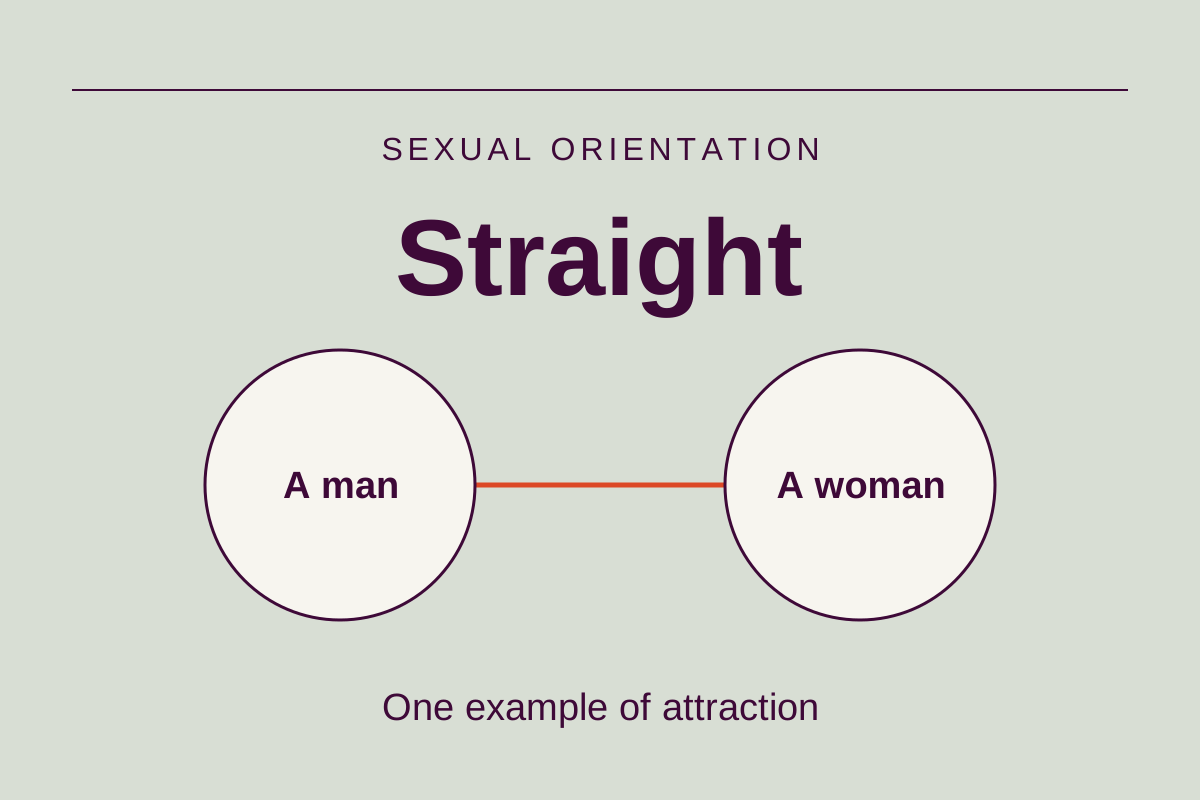
Gender identity is a person’s understanding of their own gender. Sexual orientation describes patterns of romantic or sexual attraction. Sex characteristics concern the body. These ideas can overlap in someone’s life, but one does not automatically answer the others. The World Health Organization explains sex and gender distinctions.
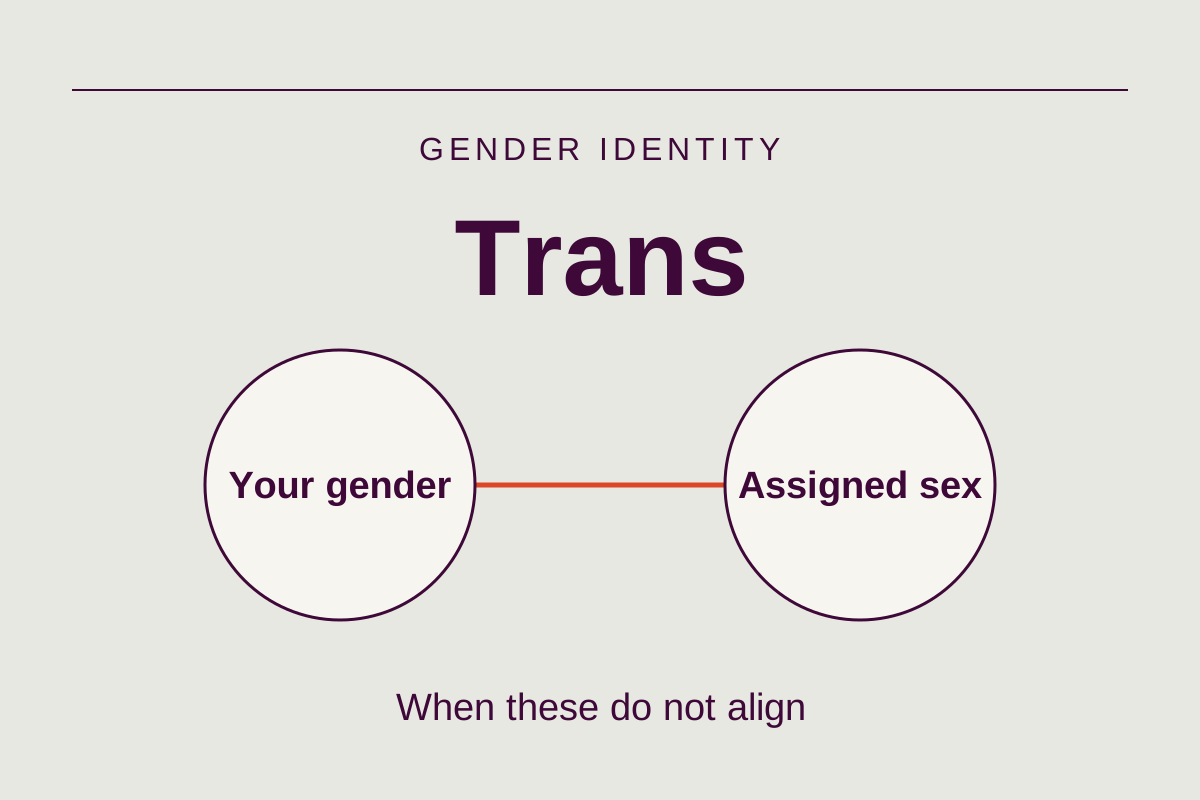
An intersex person may be a woman, a man, nonbinary, or use another gender description. They may be straight, gay, lesbian, bisexual, asexual, or use other language for attraction. They may be cisgender or transgender. Intersex and transgender are different terms, and a person can be both.
For example, a woman who is intersex may simply want you to understand her as a woman whose body has a particular variation. Another person may find both intersex and nonbinary meaningful. The respectful approach is to use the person’s own language without deciding which additional labels they ought to accept.
Why you may encounter different medical and community terms
Healthcare settings may use “differences in sex development,” “variations in sex characteristics,” a specific diagnosis, or the abbreviation DSD. Some records use “disorders of sex development,” wording some people dislike. The NHS overview describes several terms you may encounter.
People do not all feel the same way about those words. Some prefer intersex, some use the name of their particular condition, and some use different wording in different settings. University College London Hospitals recognizes this range of preferences.
If you are talking with someone personally, follow their lead. If you are reading a medical document, ask the clinician what each term means in that specific record. A broad label can be useful for finding information, but a clear explanation of the individual findings is more useful for understanding care.
Common misconceptions worth leaving behind
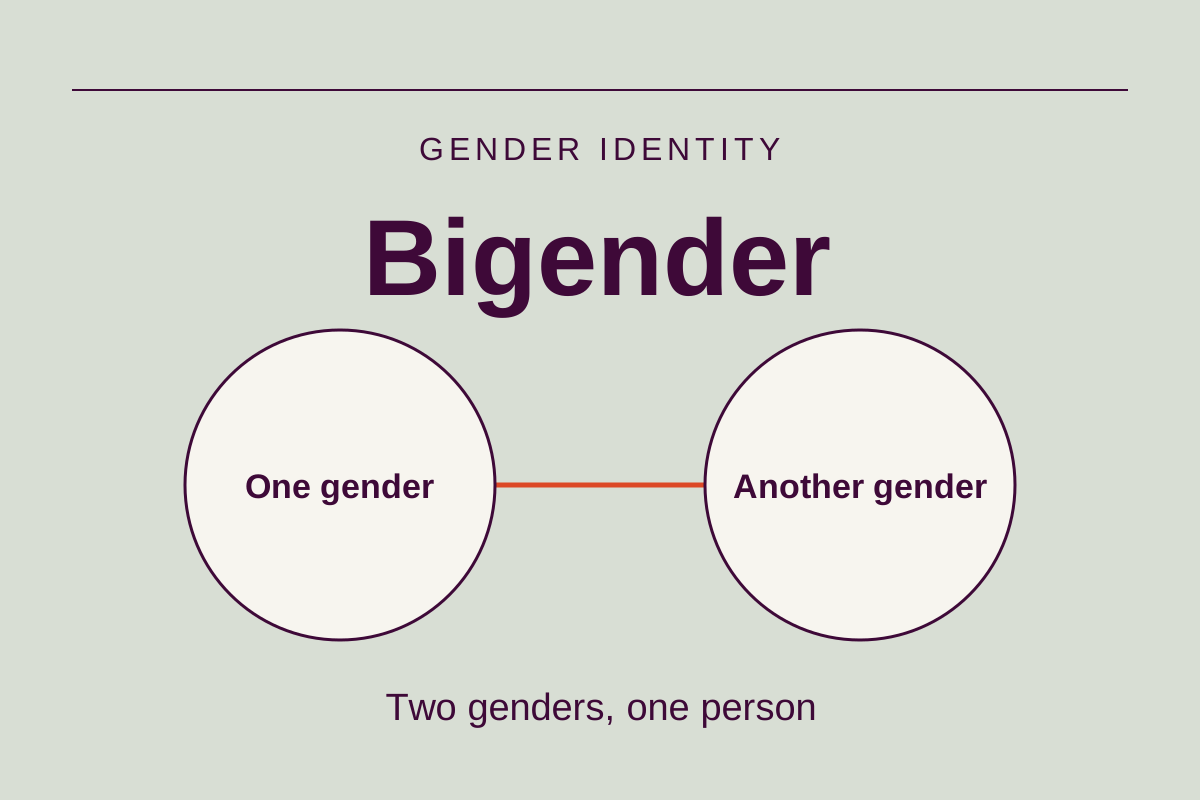
Intersex does not mean a person is “half man and half woman.” That phrase mixes physical traits with gender and reduces a complex person to a misleading image. Intersex variations also do not mean everyone has the same anatomy or experience. The interACT guide explains why stereotypes about intersex bodies are inaccurate.
You cannot reliably identify an intersex person by looking at them. Guessing from someone’s voice, height, athletic ability, or appearance is intrusive and can spread misinformation. Public speculation about a stranger’s body is still speculation, even when it is repeated confidently.
It is equally unhelpful to assume that being intersex determines someone’s relationships, beliefs, or life goals. Someone may want children, not want children, or be undecided. They may be comfortable discussing their experience or prefer complete privacy. Leave room for the actual person rather than completing their story with assumptions.
Medical care should address the individual person
Intersex is not a single treatment plan. Some variations involve healthcare needs that require attention; other questions concern monitoring, future choices, or understanding past findings. The NHS overview of differences in sex development explains that care varies with the specific condition and circumstances.
For your own care, ask what a finding means, whether a recommendation addresses an immediate health concern, and which decisions need to be made now. A clinician should explain the purpose of a proposed test or treatment in language you can follow. If you do not understand an answer, asking again is reasonable.
Broad statements such as “everyone needs surgery” or “no intersex person ever needs treatment” erase important differences. This guide cannot tell you to begin, stop, accept, or refuse a treatment. Individual medical questions belong with qualified professionals who understand the specific variation and your health history.
- What do we know, and what is still uncertain?
- What concern does this recommendation address?
- What are the potential benefits, risks, alternatives, and timing considerations?
- Which questions might benefit from another qualified opinion?
- Can I have a written explanation to review after the appointment?
Bodily autonomy and meaningful involvement matter
Bodily autonomy means having a meaningful voice in decisions affecting your own body. Intersex human-rights discussions include concerns about medically unnecessary interventions performed without the person’s informed consent. The UN High Commissioner for Human Rights report on intersex people addresses these concerns.
In a practical conversation, it helps to separate an urgent health need from a proposal aimed at changing appearance or meeting someone else’s expectations. Ask the healthcare team to explain that distinction for the actual situation, rather than assuming every recommendation has the same purpose or urgency.
When a child is involved, clear information, developmentally appropriate involvement, and attention to their future voice matter. Parents may need help understanding unfamiliar terminology while also managing their own feelings. Asking careful questions and seeking experienced guidance can make the discussion more thoughtful. Emotional discomfort and medical urgency should not be treated as interchangeable.
Privacy is different from secrecy or shame
You can choose to keep personal information private because it belongs to you. Privacy does not require believing that your body is shameful. It means deciding who receives your information, how much they receive, and what you want them to do with it.
If someone tells you they are intersex, ask before sharing that information with family, a partner, a congregation, or a group chat. Permission to tell one person does not imply permission to post publicly. Be cautious about messages and documents that can be seen by people outside the intended conversation.
For someone considering disclosure, it can help to think through the purpose. Are you looking for emotional support, explaining a healthcare need, or discussing something relevant to a relationship? Knowing your purpose can help you set a boundary, such as “I want you to understand this, but I am not ready to discuss medical details.”
How to respond when someone you love is intersex
A caring response does not need to be elaborate. “Thank you for trusting me. What would you like me to understand?” allows the other person to guide the conversation. You can acknowledge that you are learning without making them responsible for teaching you everything.
Avoid asking for photographs, requesting a detailed anatomy explanation, or turning the person into an example for a debate. Do not assume they want reassurance that they “look normal.” A more useful response focuses on their experience: “How has learning this been for you?” or “Would you like me to listen or help think through a question?”
Keep your relationship broader than this subject. Talk about the ordinary things you have always shared. Offer practical help only when it is wanted. If you need support with your own reaction, seek a suitable confidential setting without unnecessarily disclosing the other person’s private details.
- Use the name, pronouns, and body-related language the person asks you to use.
- Ask before sharing information or inviting anyone else into a conversation.
- Let the person decide whether questions about their body are welcome.
- Accept “I do not want to discuss that” without taking it as rejection.
Relationships, intimacy, and conversations at your own pace
An intimate relationship can bring questions about trust, physical comfort, boundaries, or future plans. Being intersex does not provide a ready-made answer to any of them. A useful conversation starts with the specific people involved and what they need to understand about each other.
You can separate emotional disclosure from a complete medical history. For example: “There is something about my body I would like you to understand. I want to talk slowly and decide together which questions matter.” A respectful partner can listen without demanding an immediate explanation of every detail.
Questions about fertility, sexual function, or physical symptoms need individualized healthcare guidance. Do not rely on a stranger’s experience to predict your own. For the emotional side of a relationship, it can help to name what you need clearly, whether that is patience, reassurance, a boundary, or support before a difficult conversation.
Making room for your own feelings and your faith
There is no required emotional response to learning that you are intersex. You might feel relief at finding an explanation, confusion about unfamiliar words, frustration about unanswered questions, or little desire to make it a central part of your life. You can give yourself time without comparing your reaction with someone else’s.
If faith matters to you, it may be part of how you make sense of your body and experiences. You may want to talk about belonging, prayer, questions you have heard in church, or a painful conversation. You may also want counseling that does not include religion. Those preferences deserve to be heard.
At Made Free For Life, Christian principles are available upon request. Faith does not need to become a test you must pass before receiving a thoughtful response. You can bring questions in your own language. Our article on Christianity, LGBTQIA+, and faith offers another place to begin reflection.
Finding counseling support that respects your goals
Counseling can be a place to discuss your emotional experience without expecting it to replace medical assessment. You might want to work through an unsettling discovery, a family conversation, relationship tension, or a concern unrelated to being intersex. Start with what is affecting your life now.
Ask a prospective counselor about experience and fit rather than assuming that every counselor has specialist knowledge of intersex healthcare. Useful questions include: “How would you support me with this?” “How do you handle questions outside your expertise?” and “Can we discuss confidentiality before I share more?”
Made Free For Life offers online telehealth services in WA and FL. Read about the counseling approach and areas of support, then get in touch to discuss whether the practice fits your goals. Your first message can be simple. You do not have to provide a detailed medical history to ask about fit.
Frequently asked questions
Is intersex the same as transgender?
No. Intersex concerns variations in physical sex characteristics. Transgender concerns a gender identity that differs from the sex assigned at birth. A person can be both, but one does not imply the other. Use the language a person chooses rather than deciding which other labels should describe them.
Can an intersex person be a man or a woman?
Yes. Intersex people may be men or women, and some are nonbinary or use another gender description. Being intersex does not automatically mean having a separate or third gender. Their own explanation of their gender is more useful than assumptions about chromosomes or anatomy.
Does being intersex tell you someone’s sexual orientation?
No. An intersex person may be straight, gay, lesbian, bisexual, asexual, or use other language for attraction. Physical sex characteristics do not determine which orientation label someone uses. Someone sharing information about being intersex is not automatically inviting questions about dating or sexual experiences.
Do all intersex variations need medical treatment?
There is no single answer for every variation or individual. Some situations involve health needs, and others raise different questions about information, monitoring, or possible options. Ask a qualified healthcare professional to explain your particular findings and recommendations. Neither accepting nor refusing all treatment is appropriate blanket advice.
Can someone discover they are intersex as an adult?
Yes. Some variations are identified later rather than at birth. A new diagnosis can lead to questions about earlier experiences and current health. Ask for a clear explanation of your own findings. A symptom or an online story alone cannot establish whether you have an intersex variation.
Do I have to tell friends or relatives that I am intersex?
You can set boundaries around personal information. Think about whom you trust, what support you want, and how much you wish to discuss. Questions about specific medical or relationship circumstances may benefit from individualized guidance. For someone receiving a disclosure, ask permission before sharing the information further.