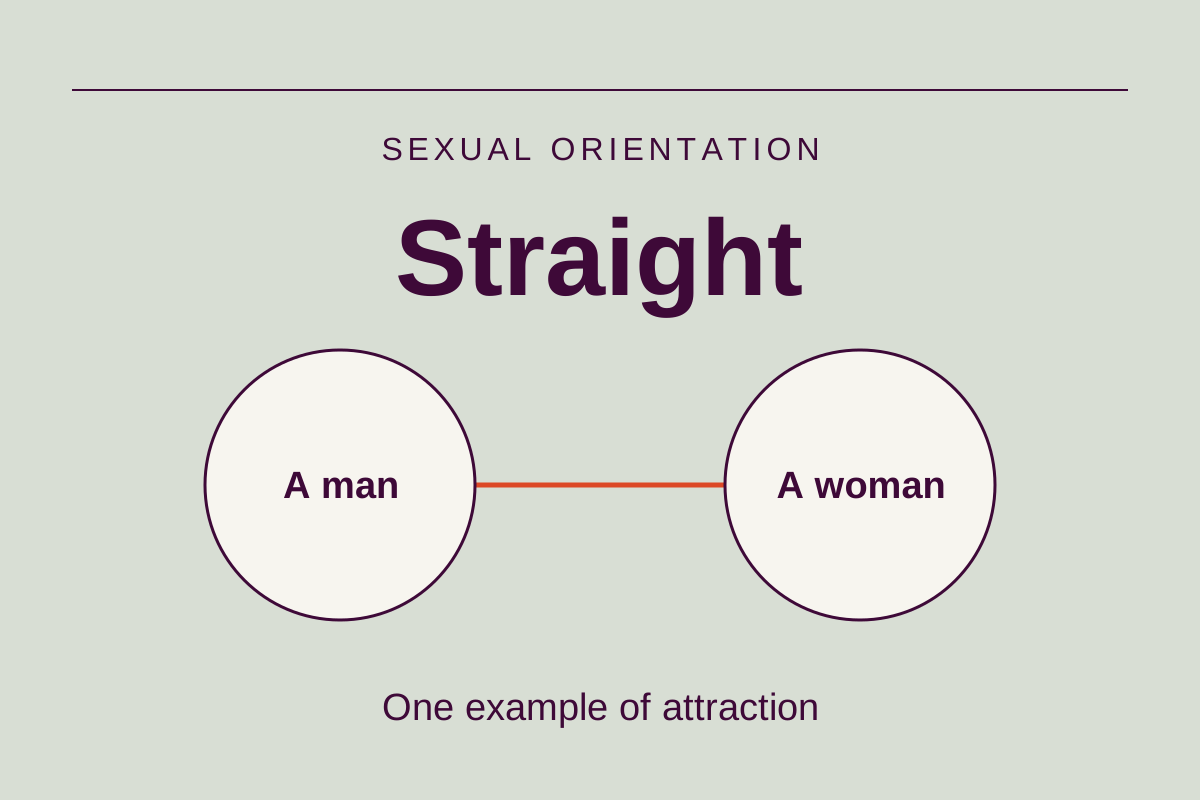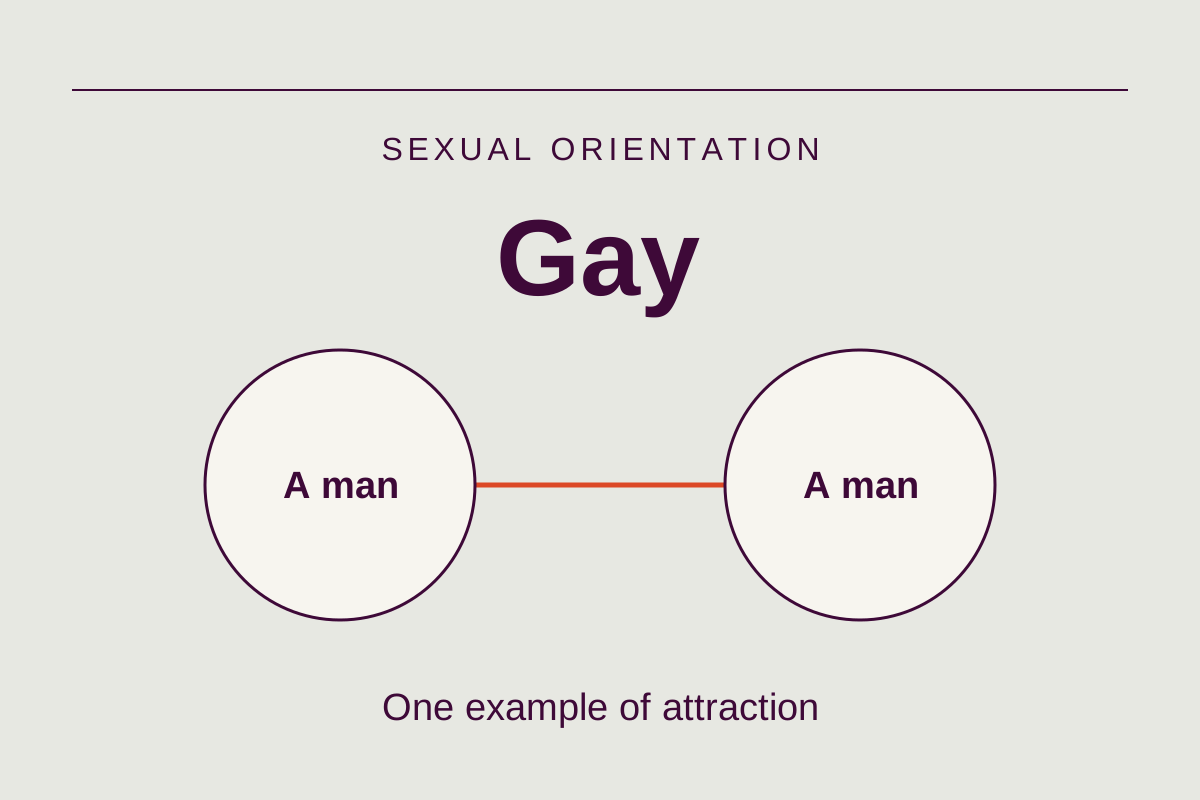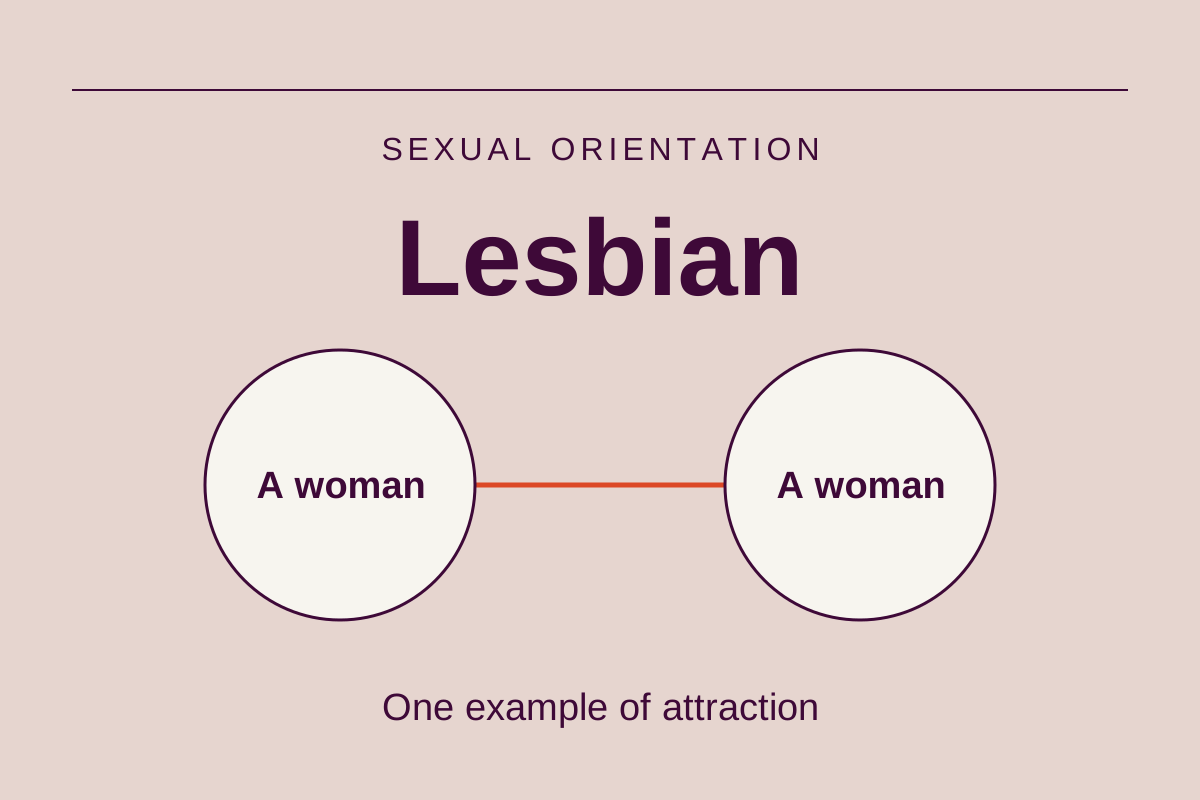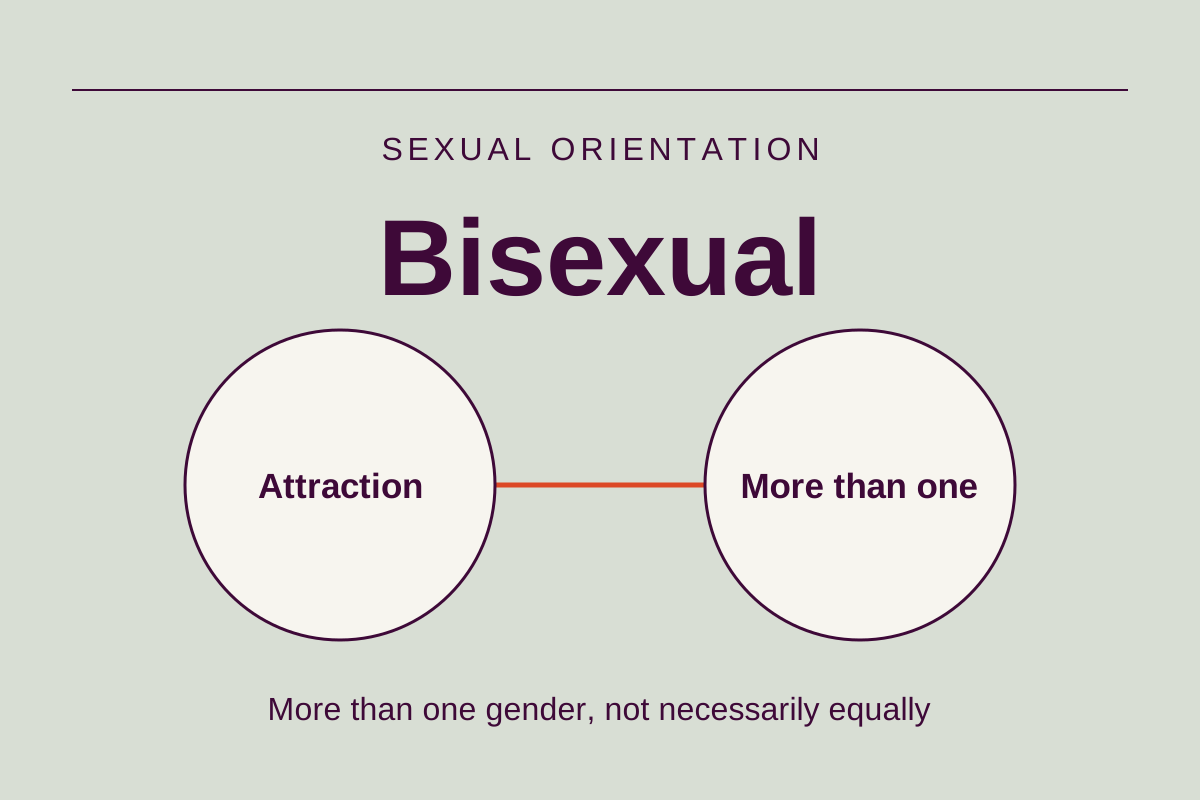
Being bisexual generally means having the potential for romantic or sexual attraction to more than one gender. That attraction does not have to be equal, happen at the same time, or be demonstrated through dating. Whether you are exploring your own feelings or learning about someone you love, understanding bisexuality begins with listening rather than assumptions.
What does bisexual mean?
Bisexual describes the potential for romantic or sexual attraction to more than one gender. Many people shorten it to bi. The word describes an orientation, not a promise about whom someone will date, a relationship arrangement, or a particular way of behaving. A bisexual person can be single, partnered, married, celibate, or uninterested in dating at the moment.
The American Psychological Association’s dictionary defines bisexuality in terms of attraction or relationships involving more than one gender. People may describe that experience somewhat differently in everyday language. Let someone explain what bi means to them rather than treating a definition as a reason to dispute their own account.
Knowing this one word does not tell you whether someone is outgoing or quiet, religious or nonreligious, interested in marriage or content being single. It tells you one aspect of their attraction. You still learn who they are in the ordinary ways: listening to their experiences, noticing their values, and respecting the decisions they make about their own life.
Attraction does not have to be equal or identical
Bisexuality does not require a fifty-fifty division of attraction. A person may notice attraction to one gender more often, or experience romantic and sexual feelings differently. There is no qualifying percentage and no required number of crushes. Trying to measure attraction precisely can make an ordinary process of self-understanding feel like an examination.
PFLAG’s bisexual resources explain that equal attraction and equal relationship experience are not requirements. Some people also notice differences in attraction over time. That does not mean every bisexual person experiences change, or that someone else can predict how their orientation will develop.
For example, a woman might have mostly dated men and recognize meaningful attraction to women. A man might experience different kinds of attraction toward people of different genders. Neither needs to produce a balanced dating history. An illustration can help explain possibilities, but it should never become a checklist that people must match before they are believed.
Orientation is different from gender identity
Sexual orientation concerns attraction. Gender identity concerns a person’s experience of their own gender. Gender expression concerns presentation, such as clothing, hairstyle, or mannerisms. Someone can be bisexual and cisgender, transgender, or nonbinary. These descriptions answer different questions, and none of them can be reliably inferred from someone’s appearance.
Bisexuality does not inherently exclude transgender or nonbinary people. The definition involving more than one gender leaves room for a range of experiences. A particular person still decides which terms communicate their own identity. It is better to ask respectfully when relevant than to argue that a stranger’s word choice must mean something they have not said.
Some people find both bisexual and pansexual useful; others prefer just one term or neither. There is no need to rank these labels or decide that one group is more accepting than another. If you are exploring your own experience, you can learn what terms mean and choose language that helps you communicate, without treating the choice as a competition.
Your current relationship does not erase your orientation
A bisexual woman married to a man may still be bisexual. A bisexual man in a relationship with another man may still be bisexual. A person who has never dated may also be bisexual. Outsiders can see part of a relationship, but they cannot see the full pattern of attraction or decide the person’s identity from that snapshot.
This matters in small everyday conversations. A comment such as “So you’re straight now” can make someone feel that an important part of their experience has disappeared from other people’s understanding. A better response is to use the language they have already shared. You can recognize a relationship without renaming the person who is in it.
Past relationships can have been genuine even if someone understands themselves differently later. You do not have to rewrite a whole life story as false in order to describe the present honestly. It is possible to honor an earlier relationship, acknowledge what you learned, and use a word that now gives a clearer picture of your experience.
Bisexuality is not indecision, infidelity, or a relationship rule
Being attracted to more than one gender does not mean being attracted to everyone. It does not mean someone needs multiple partners, cannot make a commitment, or is waiting for a “real” orientation to appear. These assumptions confuse the people someone could potentially be drawn to with the choices they make in a particular relationship.
A relationship agreement is something partners discuss. If two people agree to monogamy, the expectation of faithfulness comes from that agreement. The same standards of honesty, consent, and accountability apply regardless of orientation. A bisexual partner does not deserve extra surveillance simply because attraction could involve people of more than one gender.
If insecurity comes up, name the specific concern. “I feel nervous because we haven’t talked about boundaries with former partners” gives you something concrete to discuss. “Bisexual people can’t be trusted” replaces a solvable concern with a stereotype. The first opens a conversation; the second asks a person to defend an entire identity rather than their actual behavior.
Exploring your feelings without making yourself prove anything
You might recognize bisexuality after a particular attraction, through gradual reflection, or after learning a word that finally feels familiar. You may also remain unsure. None of those starting points requires an immediate public announcement. You can use a tentative description, keep your thoughts private, or take time to learn before choosing a label.
Try separating curiosity from pressure. Curiosity asks, “What am I noticing?” Pressure asks, “How do I settle this before anyone gets upset?” The first leaves room to understand your experience. The second may make you more concerned with providing a reassuring answer than with noticing what is actually true for you.
You do not have to date or have sexual experiences to demonstrate bisexuality. You also do not have to interrupt a relationship simply because you have found a new word for yourself. If reflection becomes a constant cycle of checking, fear, or reassurance-seeking, a qualified mental health professional can help you address that distress without deciding your identity in advance.
- Which feelings seem romantic, sexual, affectionate, or admiring?
- What label feels useful when I set aside other people’s expectations?
- What do I want to keep private for now?
- Which question needs attention today, and which can wait?
Talking with a partner about being bisexual
If you want to tell a partner, choose a time when you can talk without rushing. Explain what you want them to understand and whether you are asking for anything to change. You might say, “I’ve realized bisexual describes me. I’m telling you because I want to be honest about myself. I want us to talk about what this means to each of us.”
A partner may have questions, but questions should not become demands for intimate proof or permission to control your friendships. You can clarify your commitments without pretending that every feeling is simple. Both people deserve the chance to discuss trust, privacy, and boundaries in language that addresses the actual relationship.
Agree on who else may know. A partner may want support with their own feelings, yet your identity is still personal information. Discuss how they can seek support without sharing details you have not consented to make public. If a conversation becomes threatening or coercive, prioritize safety and seek individual support rather than trying to find the perfect explanation.
Coming out is your decision
Coming out can mean sharing that you are bisexual with a friend, family member, partner, or community. It does not have to be one large event. You may be open in some settings and private in others. This is not dishonesty. People routinely make thoughtful choices about who gets access to personal information.
Consider the practical situation before sharing. Someone who depends on family for housing, money, transportation, education, or caregiving may need to think carefully about possible reactions. You can wait, share gradually, or begin with a person who has demonstrated trustworthiness. No one needs to risk essential support to prove pride or authenticity.
If you decide to share, tell the listener what you need. “Please keep this between us” is a clear request. So is “I’d like you to listen before giving advice.” You can pause a conversation, decline invasive questions, or return to it later. Having a supportive person available afterward may make the process feel less isolating.
How friends and family can respond well
When someone tells you they are bisexual, begin by listening. “Thank you for trusting me” is often more useful than a long speech. Ask what they want you to understand and whether the information is private. You do not need a complete vocabulary to show kindness, but you do need to take their description seriously.
Avoid asking which gender they prefer as though their answer will reveal the “real” orientation underneath. Avoid treating a current partner as evidence against them. If you are confused, you can learn basic terminology privately rather than requiring the person to defend themselves through repeated questions. Curiosity is more respectful when it leaves room for a boundary.
Keep the relationship larger than the disclosure. Continue asking about everyday life, inviting them into familiar activities, and showing care in practical ways. If you need to work through your own feelings, do so without sharing their identity without permission. Ordinary consistency helps communicate that their belonging is not conditional on making every part of their experience easy for you.
Making room for Christian faith and personal values
A bisexual person may be Christian, belong to another faith, be questioning, or have no religious affiliation. Orientation does not tell you what someone believes. For a Christian reader, questions about attraction may sit alongside questions about Scripture, conscience, marriage, community, and belonging. Those questions deserve thoughtful attention rather than assumptions.
Christians differ in their beliefs about sexuality and relationships. This article does not prescribe a theological conclusion. You may find it helpful to separate “What am I experiencing?” from “What do I believe?” and “How do I want to live?” The questions influence each other, but trying to answer all of them at once can feel overwhelming.
If spiritual conversation would help, seek a setting where you can be honest without pressure to change orientation or abandon faith. You can ask directly how a counselor approaches religious concerns. Our article on Christianity, LGBTQIA+, and faith offers further reflection. Our NB TIES page introduces an additional resource for continued learning.
When counseling may be useful
Bisexuality itself is not a problem to treat. Counseling may be helpful for relationship conflict, anxiety, shame, loneliness, family tensions, or spiritual questions. Begin with the concern that is affecting your life. You do not need to decide whether every difficulty is related to identity before asking for appropriate support.
Before starting, ask how the counselor works with bisexual clients, how goals are set, and whether faith can be included if you want it. Ask about confidentiality and its limits. A counselor should not assume that a current partner makes you straight or gay, promise to change orientation, or decide your values for you.
Made Free For Life offers professional online telehealth services available in WA and FL, with Christian principles available upon request. Read about the counseling approach, explore areas of support, or contact the practice to discuss whether the available services fit your needs. A first conversation can begin with what you want help carrying today, even when the rest is still taking shape.
Frequently asked questions
Do I need equal attraction to more than one gender to be bisexual?
No. Bisexuality does not require equal attraction, equal dating experience, or a particular percentage. Different patterns can fit the term. Your experience does not have to match another bisexual person’s story. Use the language that helps you describe yourself, and allow other people the same freedom.
Am I still bisexual if I marry someone of a different gender?
You can be. A relationship describes the people involved; it does not automatically rename either partner’s orientation. A bisexual person may remain bisexual while married, single, celibate, or in any particular relationship. The person’s own description matters more than what an observer assumes from the partnership.
Does being bisexual mean someone will cheat?
No. Orientation does not establish whether someone will honor a relationship agreement. Talk about trust, boundaries, and commitments directly, using actual behavior rather than stereotypes. A bisexual partner should not have to accept suspicion or restrictions that would not apply to another person in the same relationship.
Can bisexuality include attraction to nonbinary or transgender people?
Yes. Attraction to more than one gender does not inherently exclude transgender or nonbinary people. Individual experiences differ, and bisexual and pansexual are terms some people use in overlapping ways. Listen to how someone describes their own attraction rather than assigning a restrictive meaning they have not expressed.
Do I have to come out if I am still figuring things out?
No. You decide what to share, with whom, and when. Consider privacy, practical safety, and your support system. You can talk with one trusted person without making a broader announcement. You can also say you are questioning without promising a final answer on someone else’s timeline.
Can Christian counseling include respectful discussion of bisexuality?
You can ask a counselor how they approach bisexuality, personal values, and religious concerns before deciding whether the fit is right. Faith integration should be discussed and reflect your wishes. Support should address your goals without promises to change orientation or pressure to reach a predetermined theological conclusion.