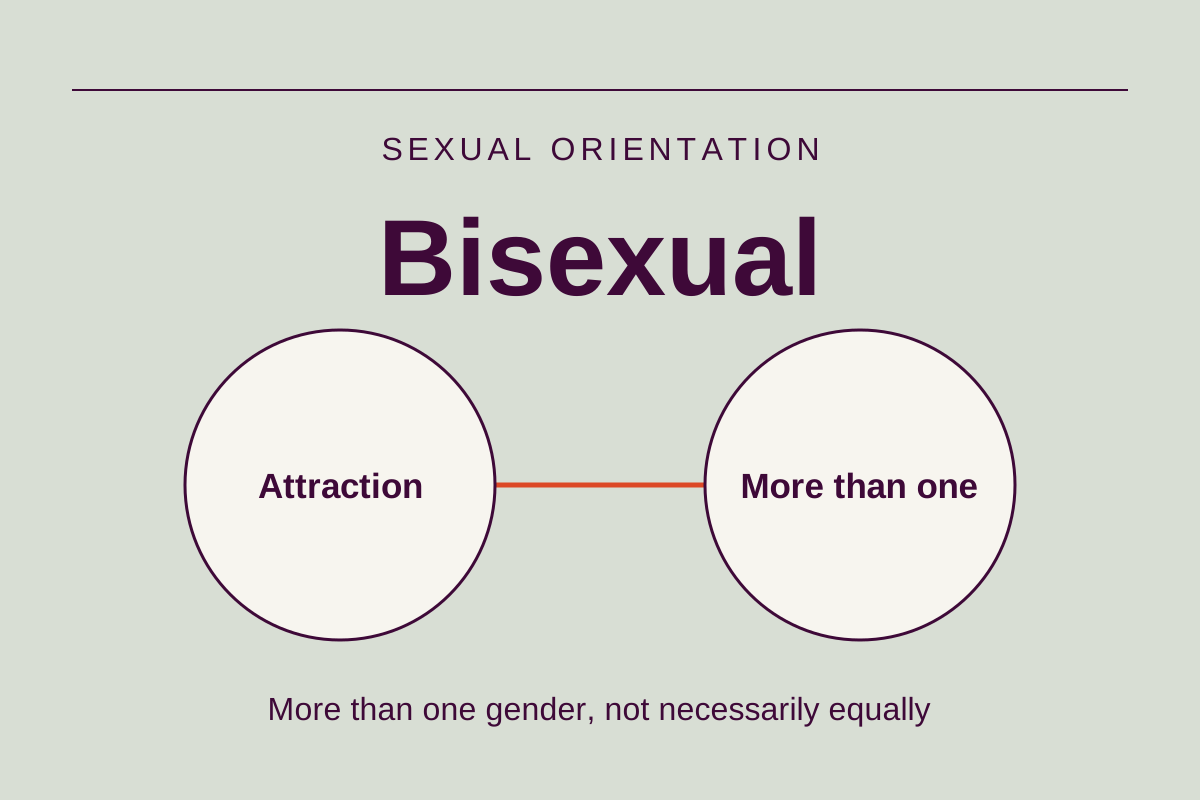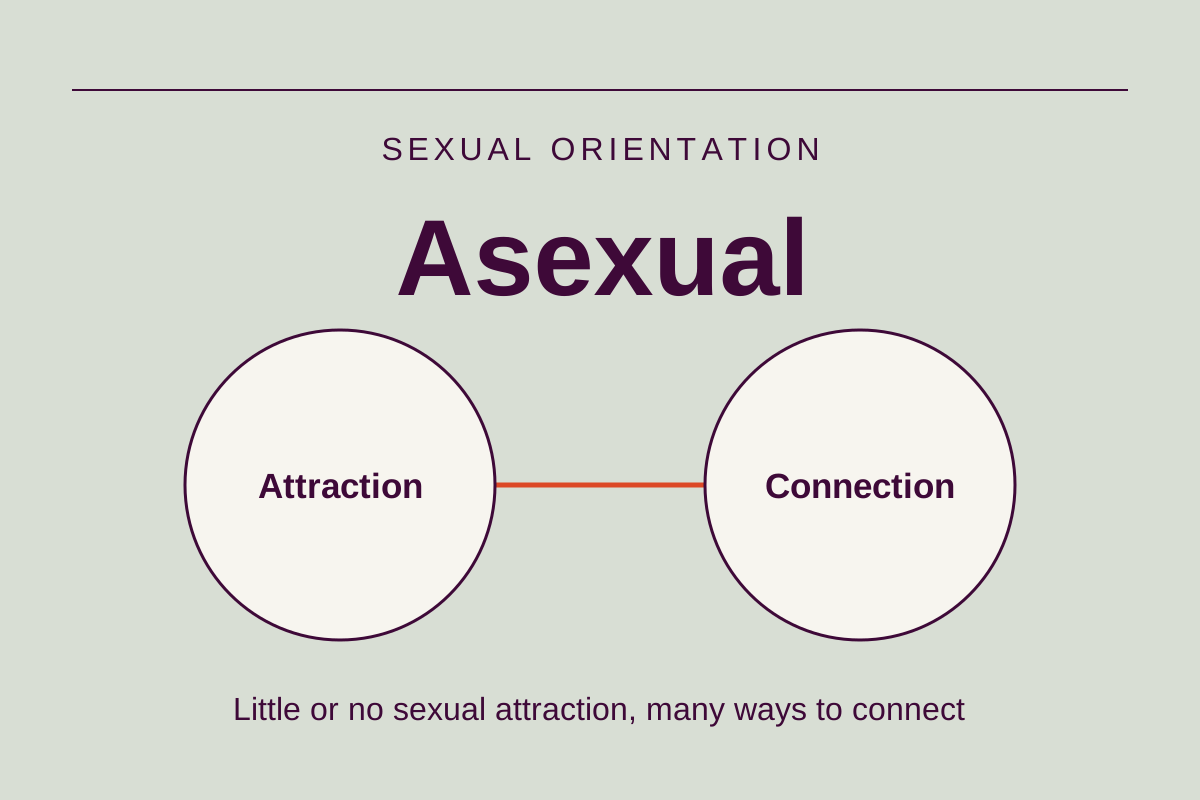
What does it mean when someone says they are asexual? The short answer concerns sexual attraction, but the questions that follow often involve relationships, belonging, faith, and expectations. This guide explains the language without assuming that everyone has the same experience. Whether you are exploring the word for yourself or learning because someone you love uses it, you can begin with curiosity and respect.
What does asexual mean?
Asexual describes someone who experiences little or no sexual attraction. People sometimes shorten the word to ace. It can be a specific identity and an umbrella for a range of experiences. Sexual attraction is a pull toward a particular person in a sexual way. An asexual person may experience that pull rarely, under particular circumstances, or not at all. The label does not tell you everything about their relationships or what kind of affection they enjoy.
The Human Rights Campaign’s introduction to the asexual community describes this range of attraction. A label can help someone communicate an experience that previously felt difficult to explain. It is not a test they have to pass. You do not need to ask for their sexual history, compare them with someone else, or decide whether they have used the word correctly based on how they look.
Attraction, romance, arousal, and behavior are different
Four experiences often get bundled together in everyday conversation. Sexual attraction concerns being drawn sexually to someone. Romantic attraction concerns wanting a romantic connection. Physical arousal is a bodily response. Sexual behavior is what someone does. These can overlap, but one does not guarantee the others. Recognizing the differences makes room for people whose experiences do not follow the familiar story of noticing someone, developing a crush, and wanting sex.
For example, a person might want a committed romantic relationship and enjoy holding hands without experiencing sexual attraction. Another might experience physical arousal without wanting to share sexual activity with anyone. Someone else might choose sexual activity in a mutually agreed relationship even though attraction is absent. These are hypothetical examples, not rules. A person’s body responding to touch does not establish consent, and a person’s orientation does not establish consent either. Ask about the actual person’s wishes instead of filling in the blanks.
Understanding the asexual spectrum
Some people use more specific language within the asexual spectrum. Gray-asexual, sometimes called graysexual, can describe infrequent or limited sexual attraction. Demisexual commonly describes experiencing sexual attraction only after a strong emotional connection has developed. An emotional bond does not guarantee that attraction will follow. These terms describe patterns of attraction, not a promise about what someone will want in a particular relationship. The Trevor Project’s guide to asexuality introduces these terms and their differences.
You do not have to learn a long vocabulary before listening well. If someone uses an unfamiliar term, ask whether they would like to explain what it means to them. They may prefer to point you to an educational resource. They may also want an ordinary conversation without becoming your teacher. A useful response is, “I am glad you found language that helps. Is there anything you want me to know about how to support you?”
Can asexual people fall in love?
Yes. Some asexual people want romance, marriage, parenting, or a lifelong partnership. Others do not. A person may use a romantic orientation term to explain whom they are romantically drawn to. For instance, biromantic can describe romantic attraction to more than one gender. Asexuality and aromanticism are different concepts: an aromantic person experiences little or no romantic attraction. Someone can be both, one, or neither. No combination determines whether they care deeply about other people.
Friendship, chosen family, spiritual community, and other close relationships can also be central sources of connection. Avoid ranking these relationships as less meaningful because they do not follow a romantic or sexual pattern. Ask what kind of connection matters to the person in front of you. If a loved one says they do not want a partner, treating their answer as a temporary problem can make ordinary family gatherings feel like repeated arguments about their future.
Asexuality is different from celibacy
Celibacy and abstinence generally concern choices about sexual behavior. A person may refrain from sex for religious reasons, personal values, health, circumstances, or another reason while still experiencing sexual attraction. An asexual person may or may not choose abstinence. Being unmarried, being sexually inexperienced, or following a religious teaching does not establish an asexual orientation. Behavior alone cannot explain someone’s inner experience.
This distinction matters in Christian settings, where people may hear frequent messages about waiting for marriage. Someone who has little or no sexual attraction may assume everyone experiences waiting in the same way they do. Another person may be sexually attracted to others while intentionally choosing not to act. Both deserve room to speak honestly. Praising an asexual person as automatically more spiritually disciplined can be as misleading as treating them as less capable of a loving relationship.
Common misconceptions that can hurt
“You just have not met the right person” sounds reassuring to some speakers, but it dismisses what someone has shared about their life now. No one can guarantee another person’s future attraction. “You cannot know without trying sex” is also unhelpful. People do not need to undertake unwanted experiences to make their self-description credible. Asexuality is not proof that a person is cold, immature, selfish, or incapable of commitment.
Another misconception is that every ace person feels the same way about sexual topics or activity. Some are comfortable discussing sex, some are indifferent, and some find particular conversations or activities distressing or unwelcome. Preferences can differ by situation. Do not assume a label answers every boundary question. A person can decline a joke, conversation, touch, or activity without supplying a detailed explanation. Respecting that boundary is a practical way to show that your support goes beyond knowing the vocabulary.
Questions for personal reflection
If you are wondering whether asexual describes you, start with curiosity rather than a verdict. When you think about attraction, what do you actually notice? Are you drawn to someone’s appearance, hoping for closeness, imagining romance, experiencing sexual attraction, or recognizing several different feelings? There is no required answer. Writing privately can help you separate your own experience from what friends, partners, entertainment, or faith communities say you should feel.
You might also ask: When do I feel most comfortable in relationships? Which kinds of affection do I welcome? Am I agreeing to something because I want it, or because I fear disappointing someone? Would trying a label privately feel relieving, limiting, or simply interesting? These questions are invitations to reflect, not a diagnostic checklist. You can explore language without announcing it publicly. You can keep a label, change it, or decide that no label is helpful.
Talking with a partner about needs and boundaries
A partner may need reassurance that learning about your orientation is an invitation to understand you, rather than a hidden accusation. Choose a calm time when neither of you feels pressured to make an immediate decision. You could say, “I have been learning about asexuality, and some of it fits my experience. I want us to talk about what closeness means to each of us.” You do not have to have every answer before beginning.
Be concrete about affection, touch, sexual activity, privacy, and expectations. Both partners can name needs and limits. Nobody owes sexual activity to preserve a relationship, and nobody has to pretend their own needs have disappeared. Sometimes two caring people discover a difficult incompatibility. That does not make either person defective. If you seek counseling together, ask whether the counselor can help you discuss consent and relationship decisions without treating an asexual identity as something to eliminate.
How to support an asexual loved one
Begin by thanking them for trusting you. Ask whether they want listening, practical help, or simply recognition. Keep their information private unless they have clearly agreed to share it. A disclosure to one sibling is not permission to tell parents, friends, church leaders, or a future partner. Ask separately about each setting. They may use different language with different people for reasons involving comfort, privacy, or safety.
Continue including them in ordinary life. Invite them to celebrations without insisting that they bring a date. Avoid treating marriage or parenthood as their only route to adulthood. If you make an assumption, correct it briefly and move on. Support also means noticing patterns: repeated jokes about being broken, public speculation about someone’s sex life, or pressure to date can undermine trust even when each individual comment is presented as harmless. You can challenge those comments without revealing anyone’s private identity.
Making room for Christian faith
Asexual people can be Christian, follow another faith, or have no religious affiliation. Their orientation does not tell you what they believe about God, marriage, sexual ethics, or church membership. Christian communities also differ in their teachings and how they discuss sexuality. If faith matters to you, you deserve space to consider your beliefs alongside your lived experience without being rushed into a public statement or a ready-made explanation.
Helpful conversations might focus on belonging, honesty, friendship, service, and the kind of relationships you hope to build. You can ask a trusted spiritual leader whether they understand the difference between orientation and chosen behavior, and whether they will respect confidentiality. You may also choose to keep spiritual guidance separate from counseling. At Made Free For Life, Christian principles are available upon request. You can learn more about the counseling approach and decide which questions you want to bring.
When professional support may be useful
An asexual identity by itself is not a reason to assume someone needs treatment. A person might nevertheless want support with anxiety, family conflict, loneliness, pressure, relationship decisions, or shame. The concern is what is causing difficulty in their life, rather than whether their experience matches someone else’s expectations. A respectful conversation starts with the person’s goals. It leaves room for uncertainty and does not make changing an identity the price of receiving care.
A new or unwanted change in sexual interest, pain, or another physical symptom can also deserve a conversation with a qualified healthcare professional. That is a different question from deciding whether an orientation label fits. You can seek help for a distressing symptom while still identifying as asexual, and you do not need to assume that every asexual person has the same concern. Tell a clinician what changed, what bothers you, and what help you actually want. This article cannot determine the cause of an individual symptom.
A next step that does not require certainty
You do not need to solve your entire identity today. A useful next step could be reading a first-person account, writing down a boundary, talking with one trusted person, or simply allowing a question to remain open. Choose a step that supports your well-being rather than one designed to prove something to an audience. If reading more starts to feel overwhelming, taking a break is also an option.
For loved ones, the next step can be equally ordinary: listen without arguing, use the language the person requests, and follow through on privacy. Learning is most useful when it changes how you treat someone. If you would like to discuss relationships, faith, or personal questions in counseling, contact Made Free For Life to ask about fit and availability. Online telehealth services available in WA and FL. You can ask questions before deciding whether to begin.
Frequently asked questions
Can someone be asexual and still want a relationship?
Yes. Some asexual people want romantic partnerships, marriage, or other committed connections. Others do not. Ask about the individual’s wishes instead of assuming their orientation tells you their relationship goals.
Is asexual the same as aromantic?
No. Asexuality concerns little or no sexual attraction. Aromanticism concerns little or no romantic attraction. A person can identify with either term, both terms, or neither.
Does an asexual person have to avoid sex?
No. An orientation describes attraction, not a required set of behaviors. Every person decides what activities they want or do not want, and every activity requires freely given consent.
Do I need experience to know whether I am asexual?
You do not have to date, have sex, or undertake unwanted experiences to explore an orientation label. Reflection can take time, and you may use whatever language feels helpful without proving it to others.
What should I say if someone tells me they are asexual?
Thank them for telling you, ask what support they want, and clarify what should remain private. Avoid predicting that they will change or asking intrusive questions about their body or sexual history.
Can asexual people be Christian?
Yes. Asexual people can hold Christian beliefs. Their orientation does not determine their theology or choices. Christian principles can be included in counseling at Made Free For Life when requested.